Beyond Recording What We See — Making Photographs with Intention
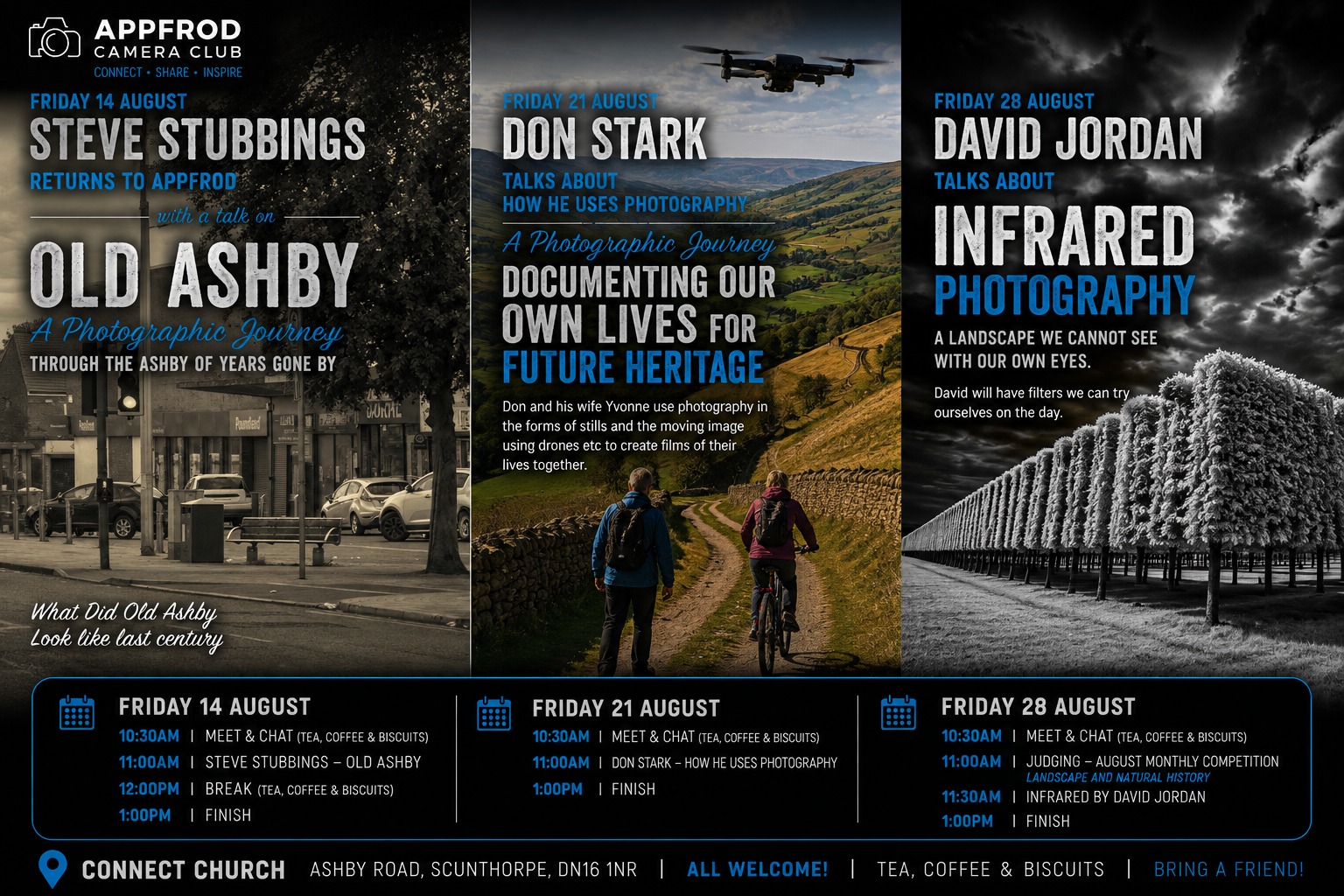
AppFrod Camera Club | Friday 16 October 2026
How a simple exposure decision transformed an ordinary view into something rather more dramatic.
One of the things I particularly enjoy about our Friday morning AppFrod sessions is demonstrating that we don’t need spectacular locations to create interesting photographs.
Sometimes we only need to change the way we look at what is already in front of us.
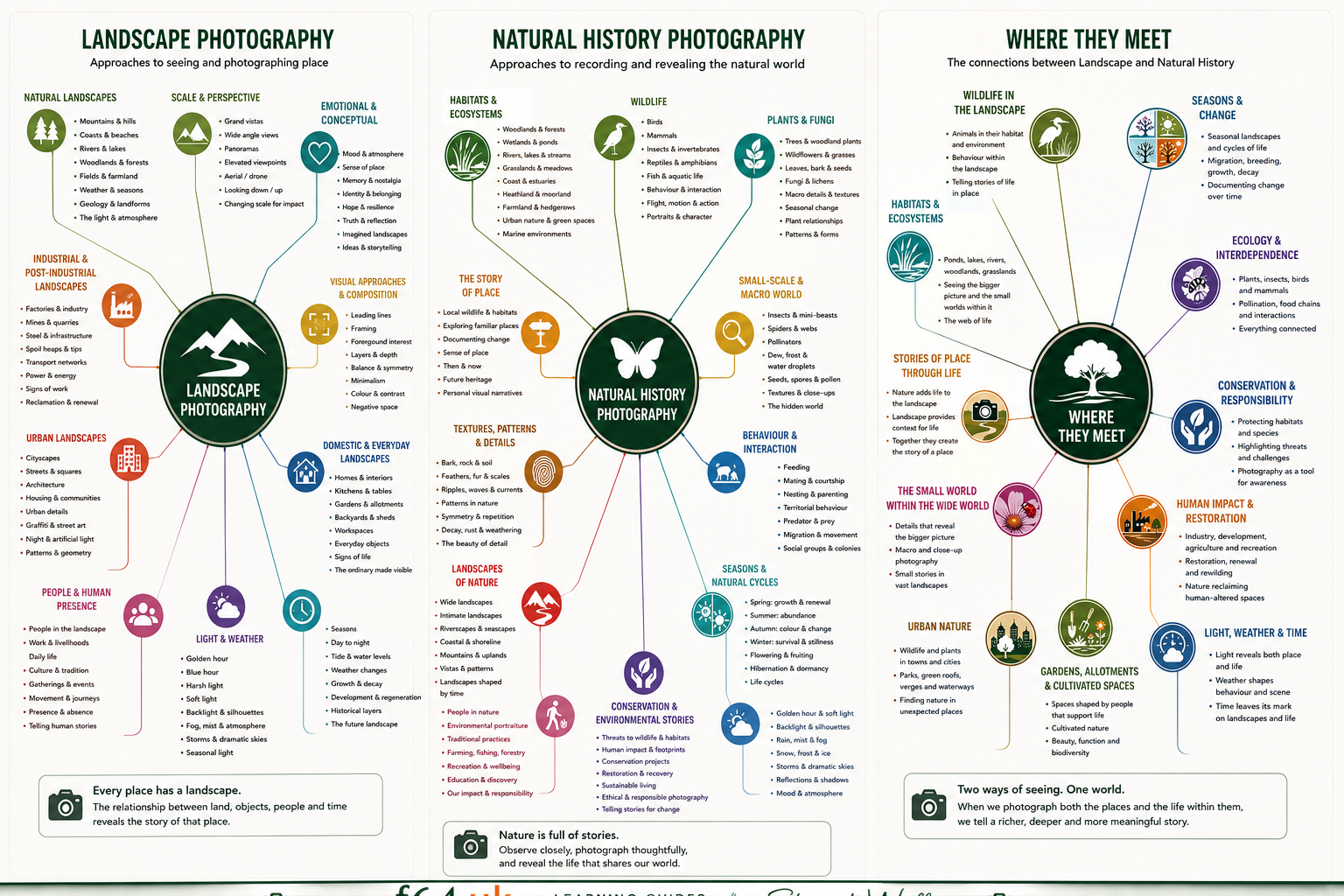
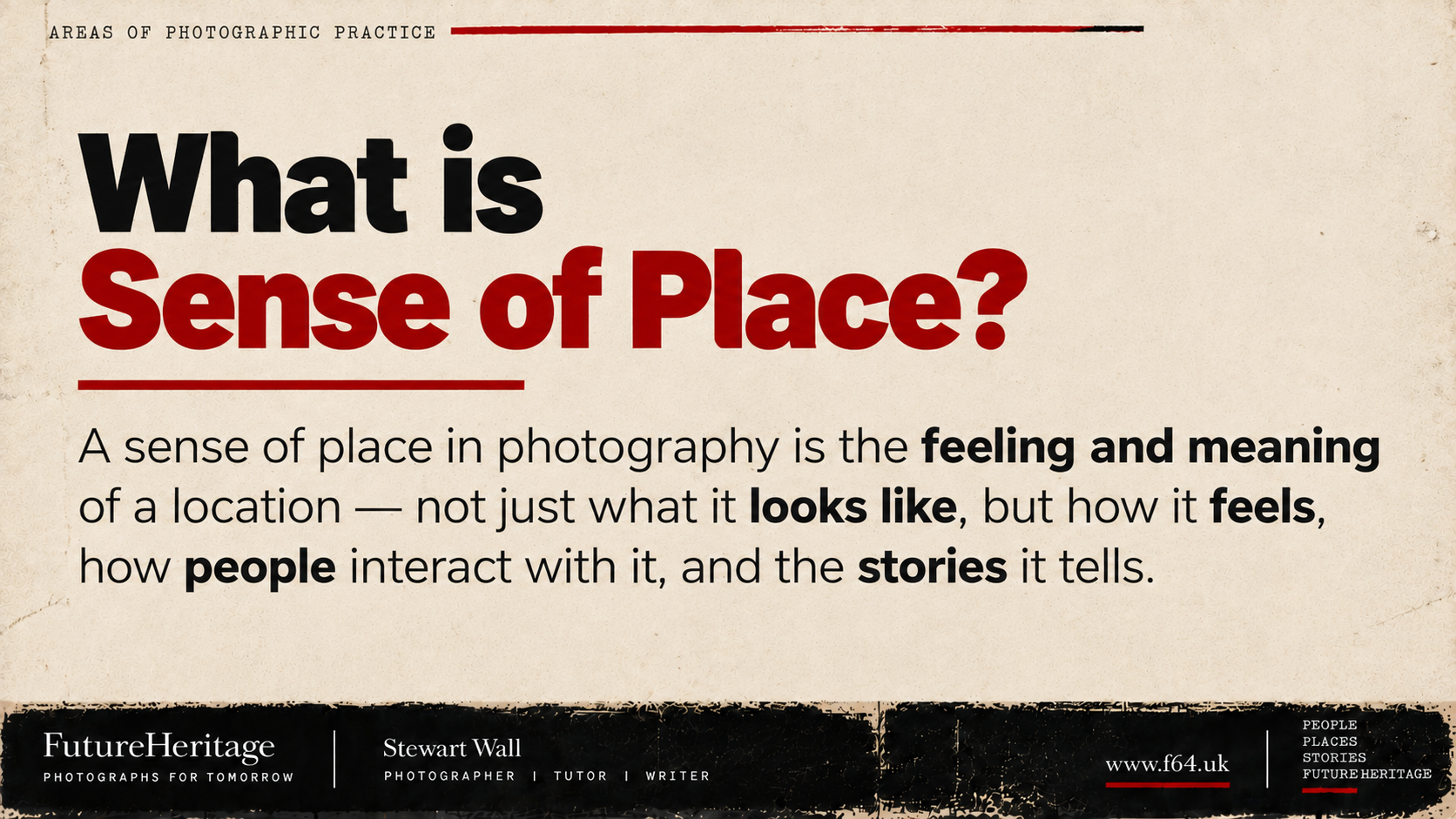
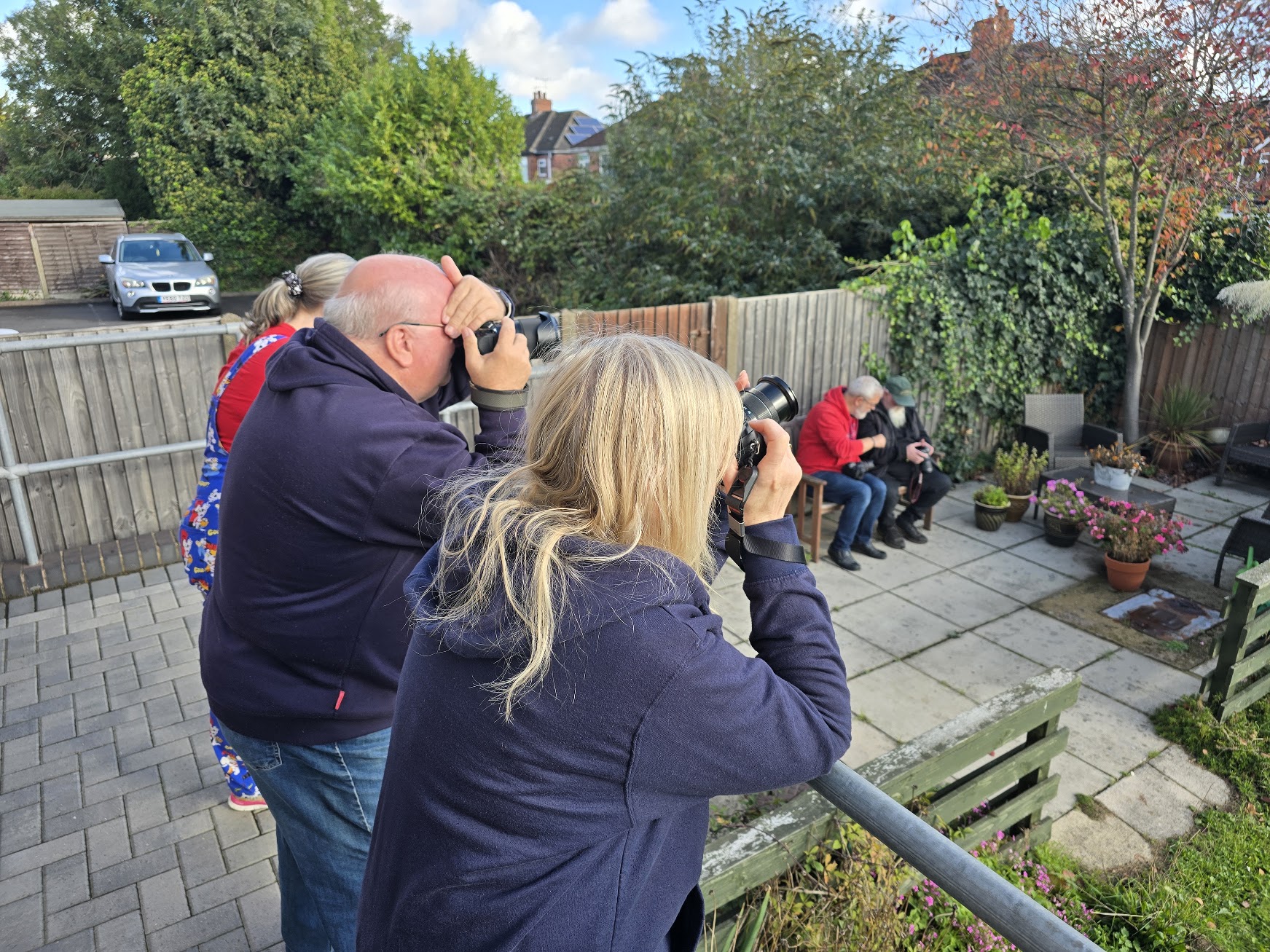
This Friday, building on our previous week’s exploration of Sense of Place, we ventured outside Connect Church to experiment with landscape photography.
Our subject was hardly the Scottish Highlands! We had houses, garden fences, rooftops, ornamental grasses and a cloudy Scunthorpe sky.
But that was precisely the point.
What happens when we expose for the sky?
Normally, when photographing a landscape containing bright clouds and darker buildings, the camera might try to produce an exposure that balances the two.
Instead, I encouraged everyone to expose for the highlights in the clouds and allow the buildings to become much darker.
By doing so, we could retain detail in the bright clouds while turning the houses and rooftops into strong graphic shapes.
It was a deliberate creative decision.
Rather than simply recording what was in front of us, we were using cameracraft to interpret the scene.
Mick’s photographs
Mick Barwick subsequently shared three photographs from the morning’s exercise, and I think they illustrate the idea beautifully.

In the first, the houses have become a dark silhouette beneath a dramatic sky. The clouds have become the main subject.
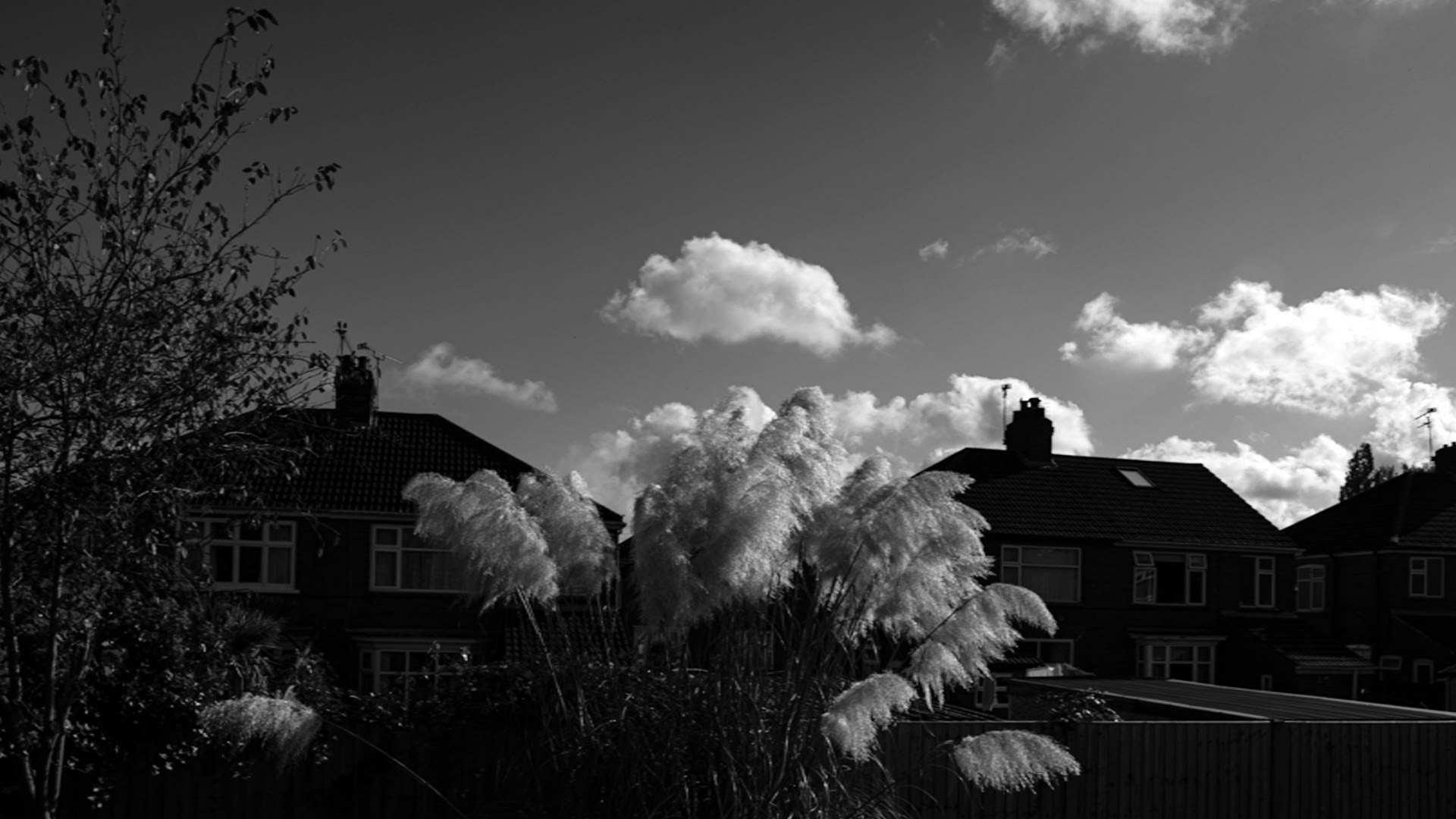
In the second, Mick has introduced the ornamental grasses, whose bright plumes contrast with the rooftops and create an interesting relationship between foreground and background.

In the third, the composition becomes simpler still. A chimney, television aerials and roofline sit beneath an enormous cloud, creating a striking contrast between the built environment and the natural world.
What I particularly like is that Mick has done more than simply change his exposure. He has explored different compositions and discovered new relationships between familiar elements.
Photography is about making choices
When we take a photograph, we have an enormous range of creative decisions available to us.
We can use aperture to isolate a subject or integrate it into its surroundings. We can use shutter speed to freeze movement or introduce blur. We can change our viewpoint, focal length, framing and exposure.
Every one of these decisions can influence how a viewer experiences our photograph.
And sometimes the most important decision is what we choose not to show.
In Mick’s photographs, much of the detail in the houses has disappeared into shadow.
But rather than weakening the photographs, that loss of detail has helped create their atmosphere and visual impact.
Why Did I Stop?
This brings me to a question I often ask photographers:
“Why Did I Stop?”
What was it about a scene that made you raise your camera?
Was it the light, the shapes, the colours, the movement or perhaps a relationship between different elements?
And once you’ve identified what caught your attention, how can you use your camera to communicate it?
There is a difference between taking a photograph that shows what something looks like and making a photograph that expresses what interested you about it.
Neither approach is wrong, but understanding the difference opens up all sorts of creative possibilities.
Have a go yourself
The next time you’re out with your camera, try photographing an ordinary scene in two different ways.
First, make a straightforward record of what is there.
Then ask yourself what interested you about the scene and make a second photograph that emphasises that particular quality.
You might deliberately darken the shadows, isolate a small detail, change your viewpoint or wait for the light to transform the scene.
Compare the two photographs afterwards.
Which one makes you stop and look? More importantly, which one gives you a reason to keep looking?
Well done to Mick for sharing his photographs and demonstrating what can be achieved with a little experimentation.
Photography isn’t just about showing people what we saw. It can also be about helping them see what we noticed.
Photographs by Mick Barwick, AppFrod Camera Club.