The Quiet Rituals of A Bowls Match Brumby V Barton
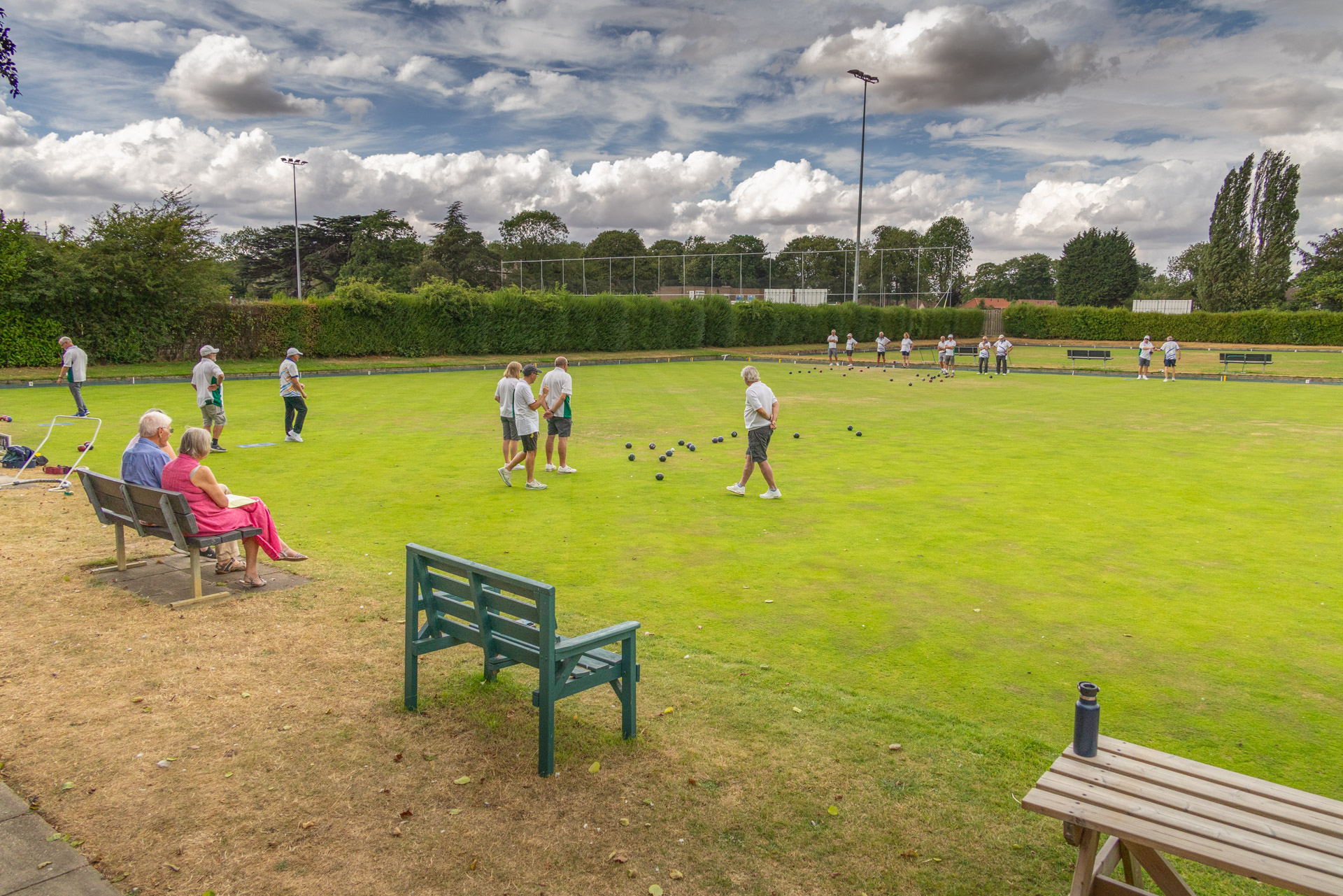
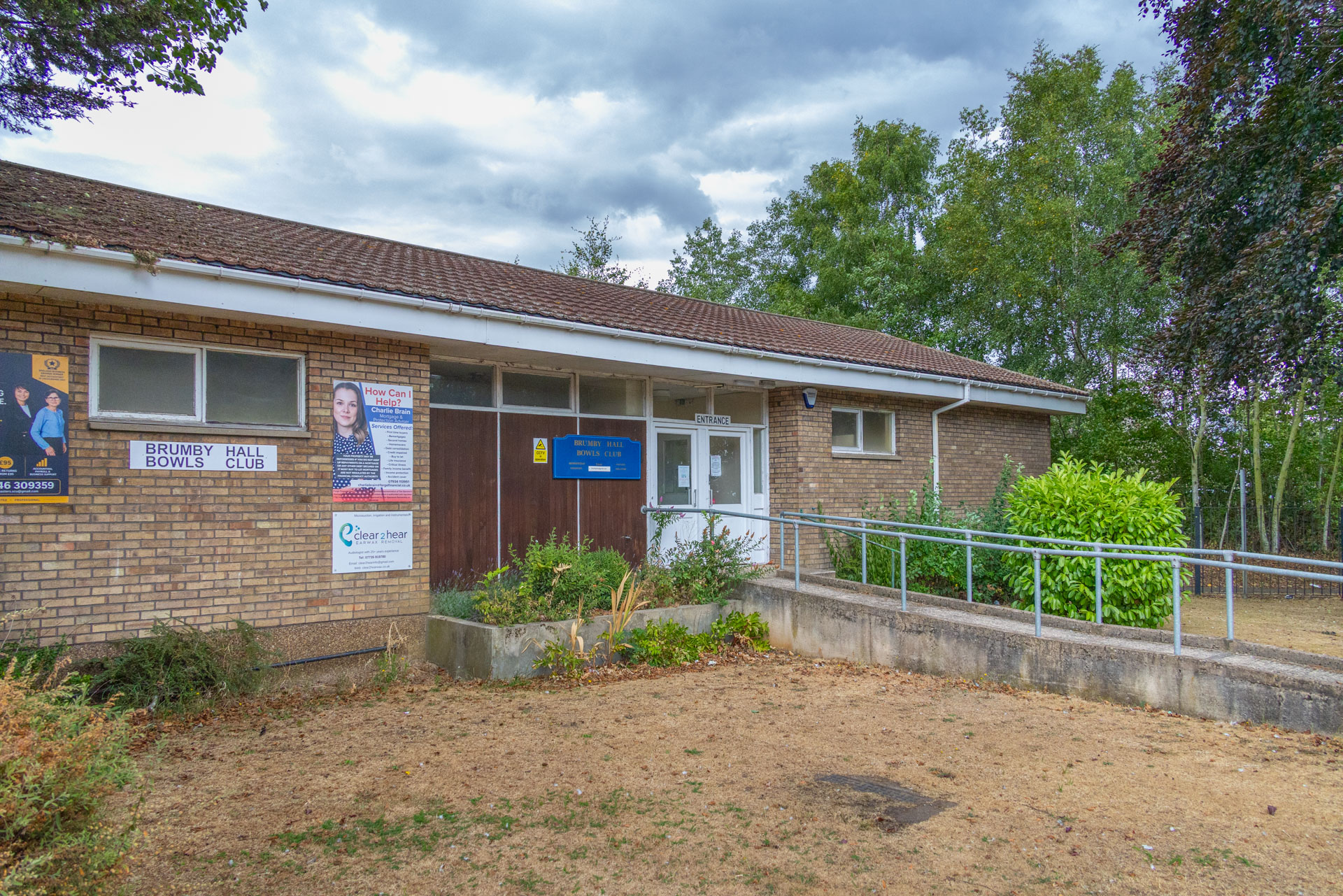
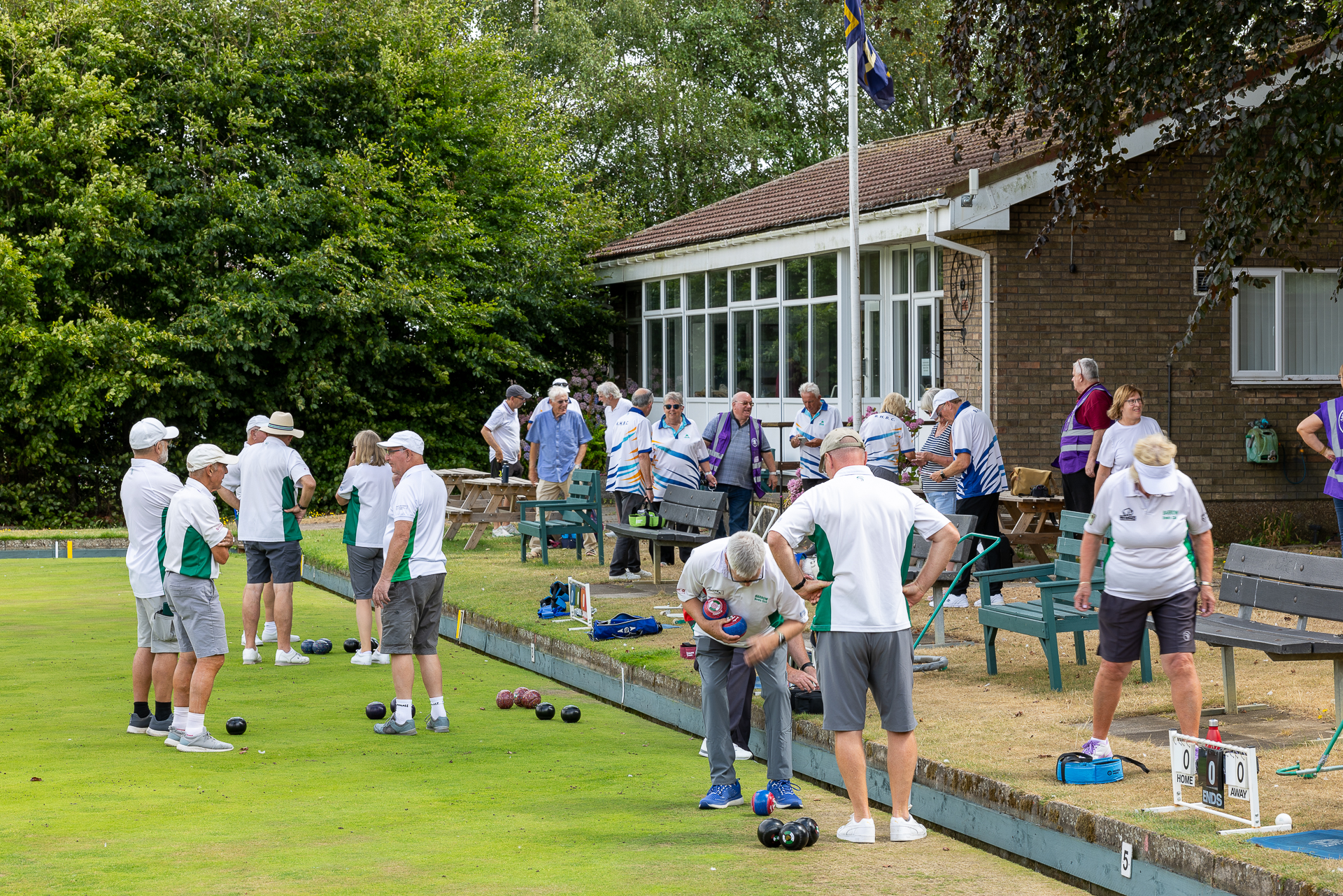
On a warm August Tuesday afternoon AppFrod Camera Club visited Brumby Bowls Club to pick up our cameras and photograph their match against Barrow.
The Observers

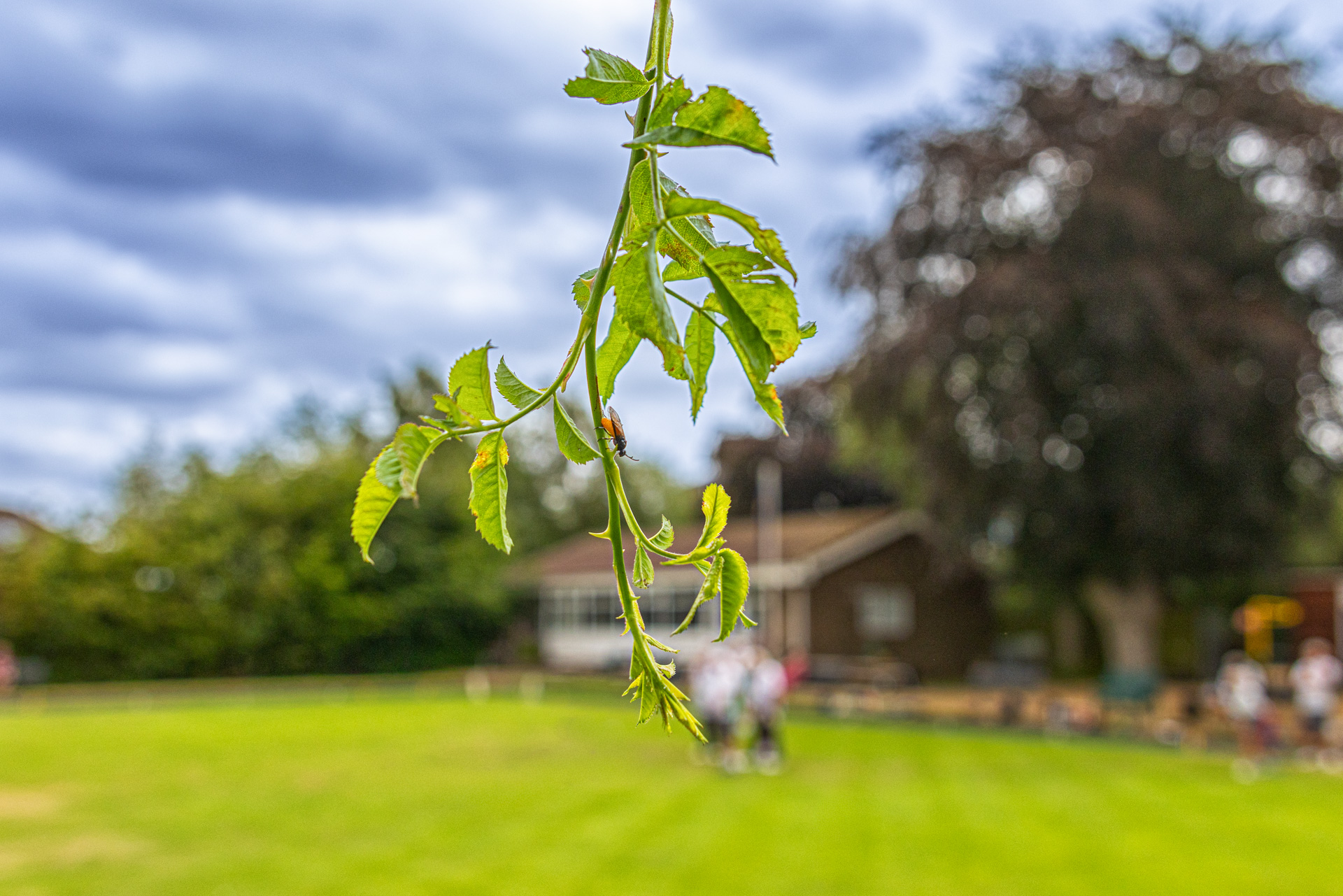
Before the first bowl was delivered, I found another observer, but not one with a camera. Suspended from a thorny branch at the edge of the green, a small sawfly overlooked the preparations below. It reminded me of my own role that afternoon: to observe rather than participate, to witness rather than direct.
Like the insect on its fragile perch, I became a silent observer, watching the traditions, rituals and conversations that would unfold before me.
The Photographers
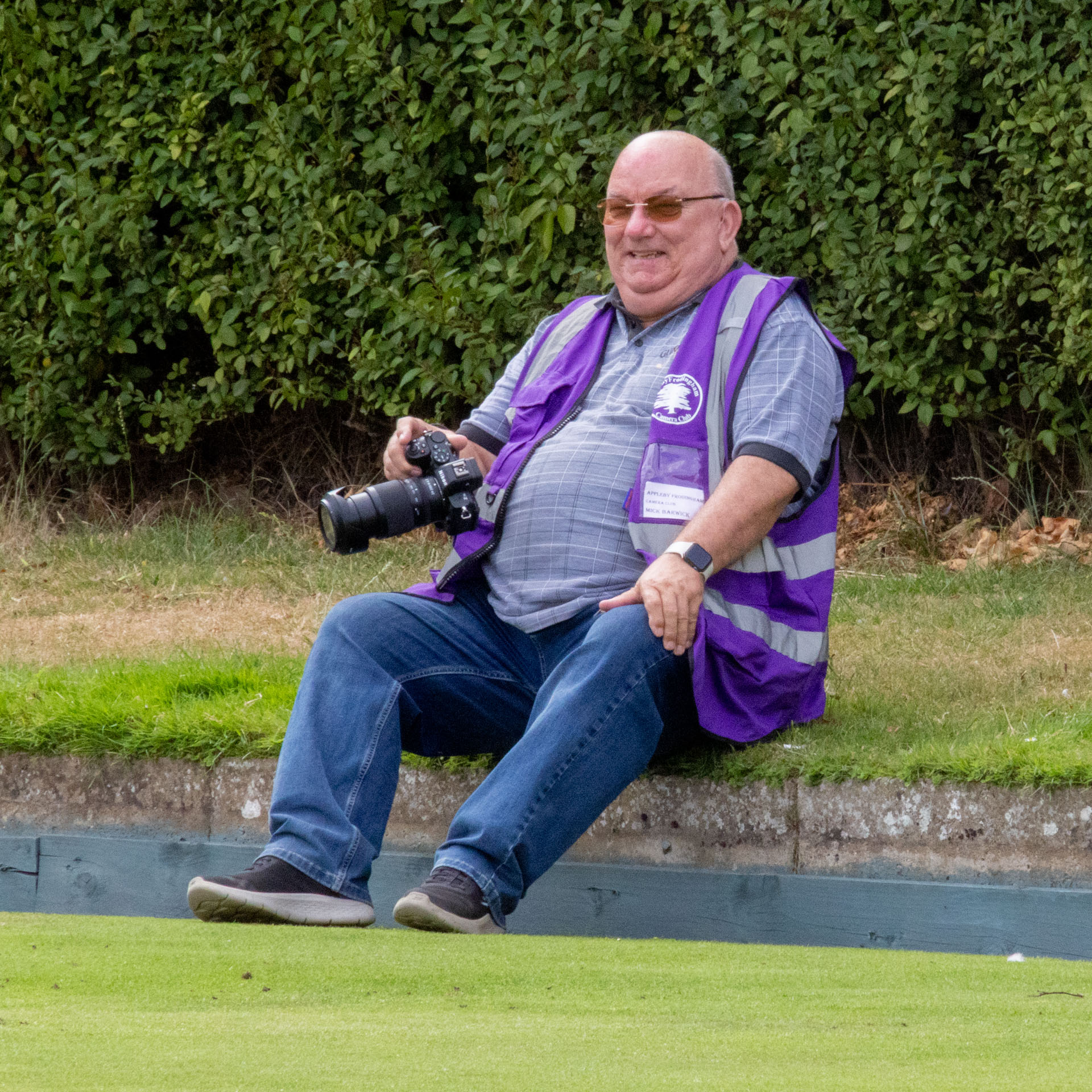


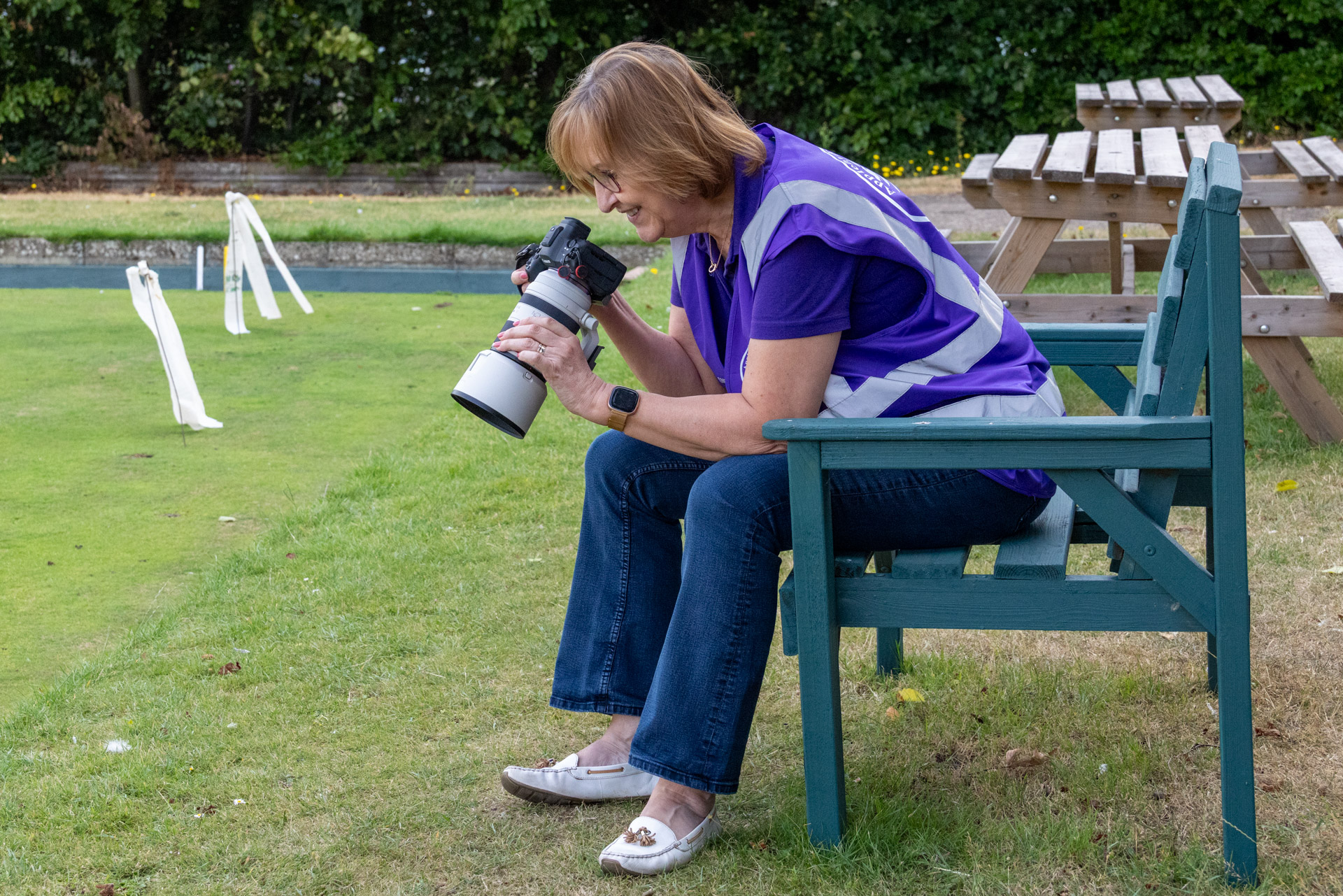
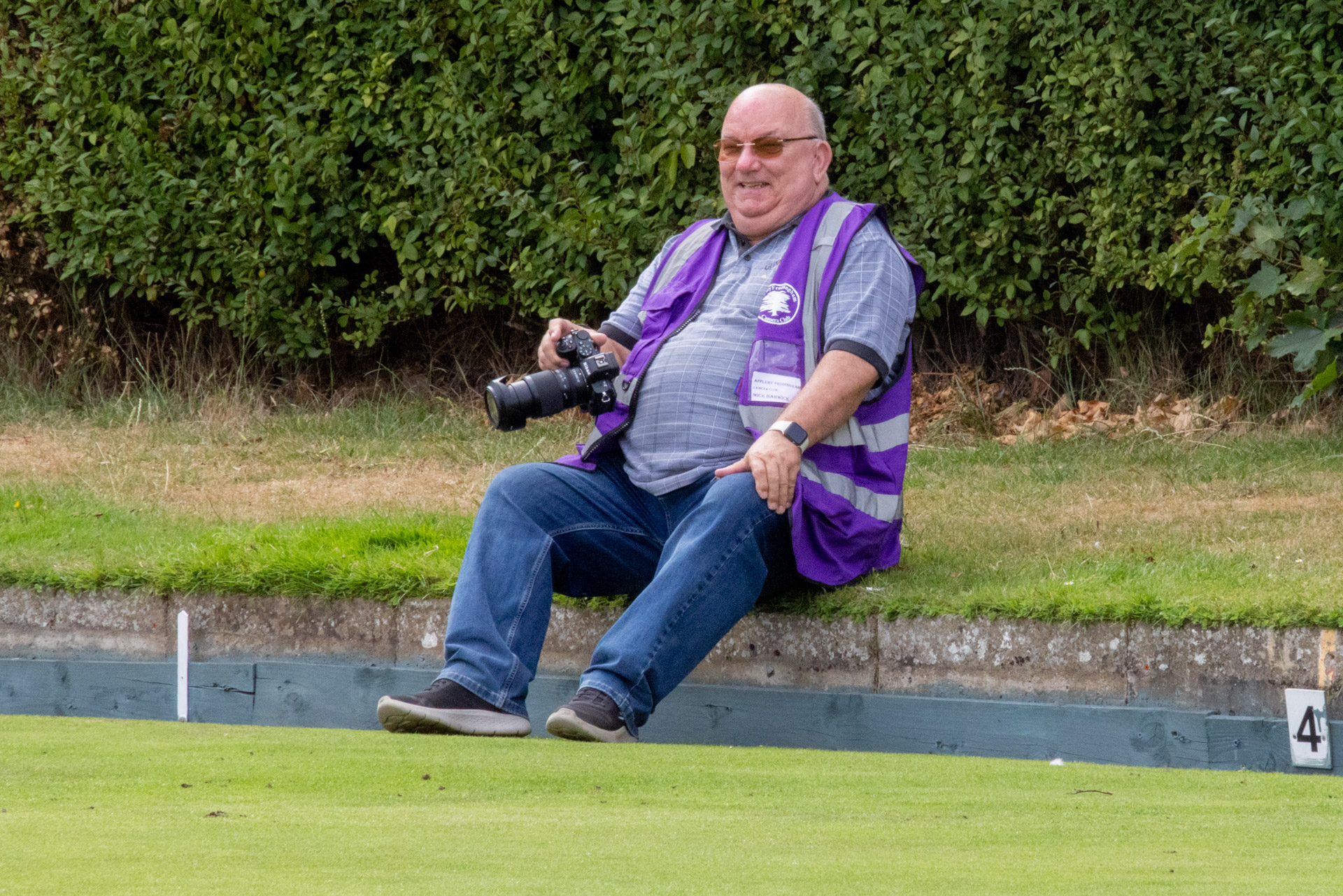
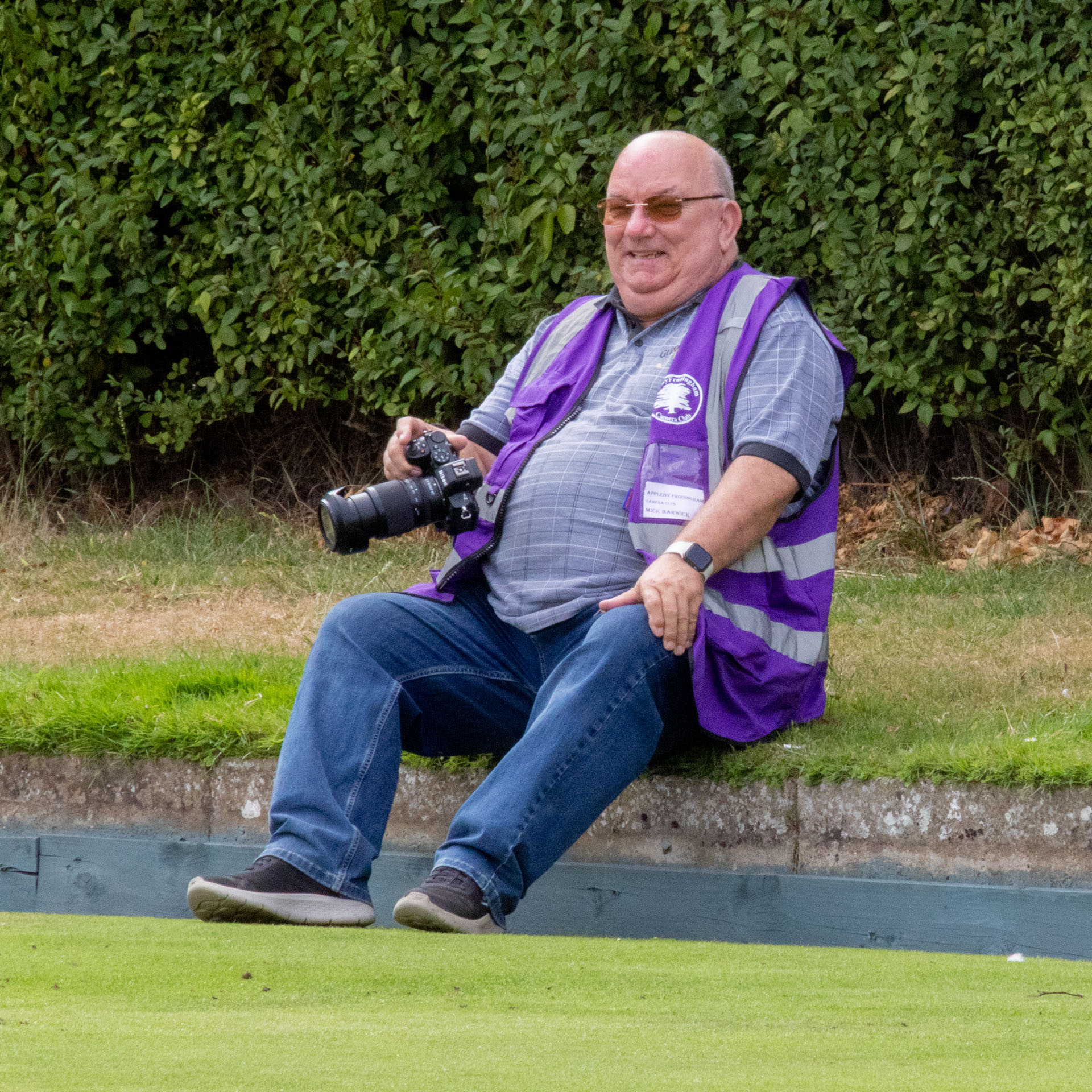
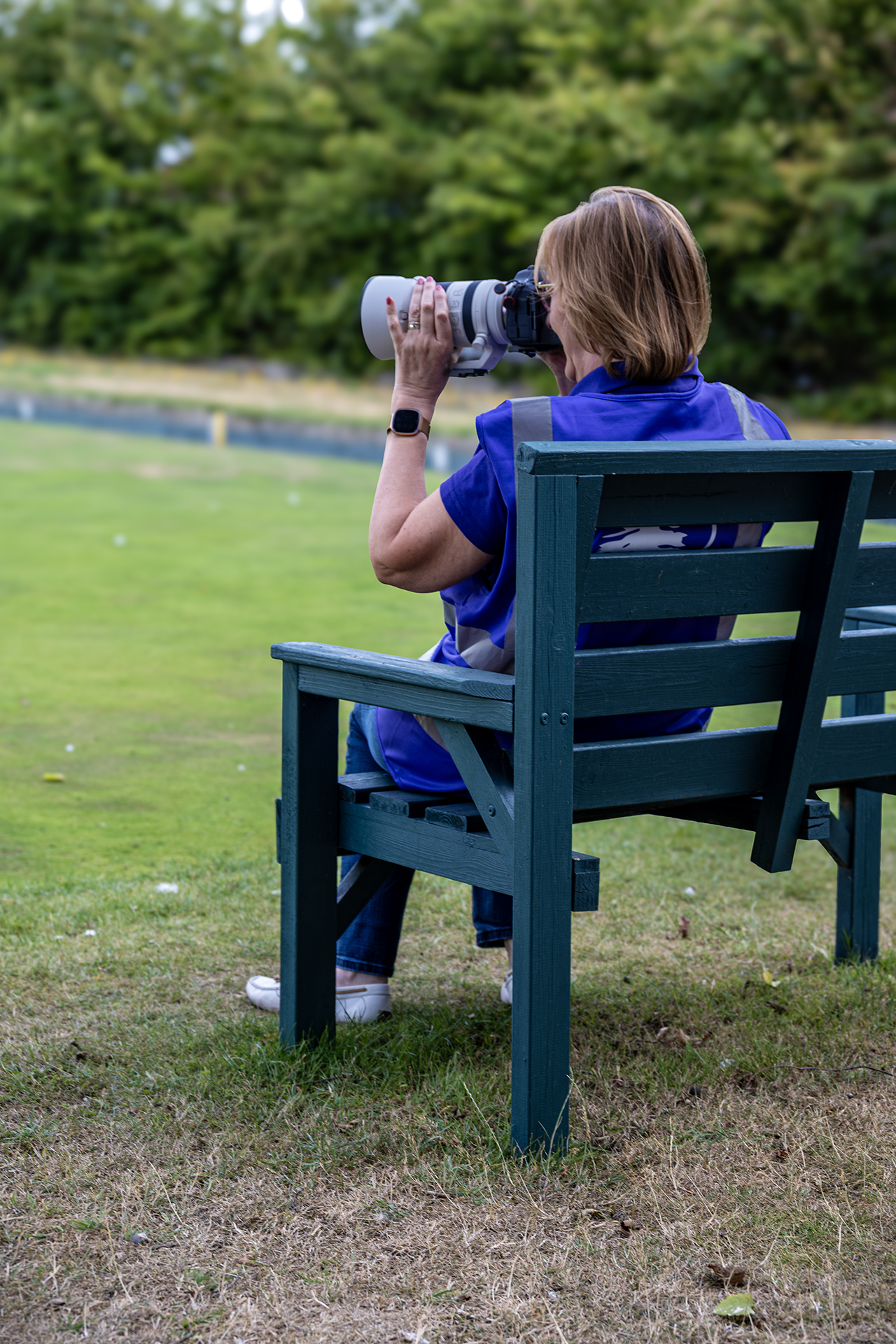
The Photographers – Mick Barwick, Julie and David Smith and Stewart Wall
Mick, Julie and David, fellow members of AppFrod Camera Club, joined me for the afternoon, each bringing their own camera, curiosity and way of seeing. We had come to photograph a bowls match, but as always, each of us would leave with a different story. Documentary photography begins not with the shutter, but with the willingness to look.
As the afternoon unfolded, I listened to Mick and David chatting with the players. Their conversations carried an easy familiarity, rooted in shared experiences of working lives spent at British Steel. It was a reminder that Brumby Bowling Club, like AppFrod Camera Club, traces its origins to the Appleby-Frodingham Steel Company’s social club. Long before I arrived with a camera, these communities had already been connected by work, friendship and a shared sense of place.
Preparing for the match ahead


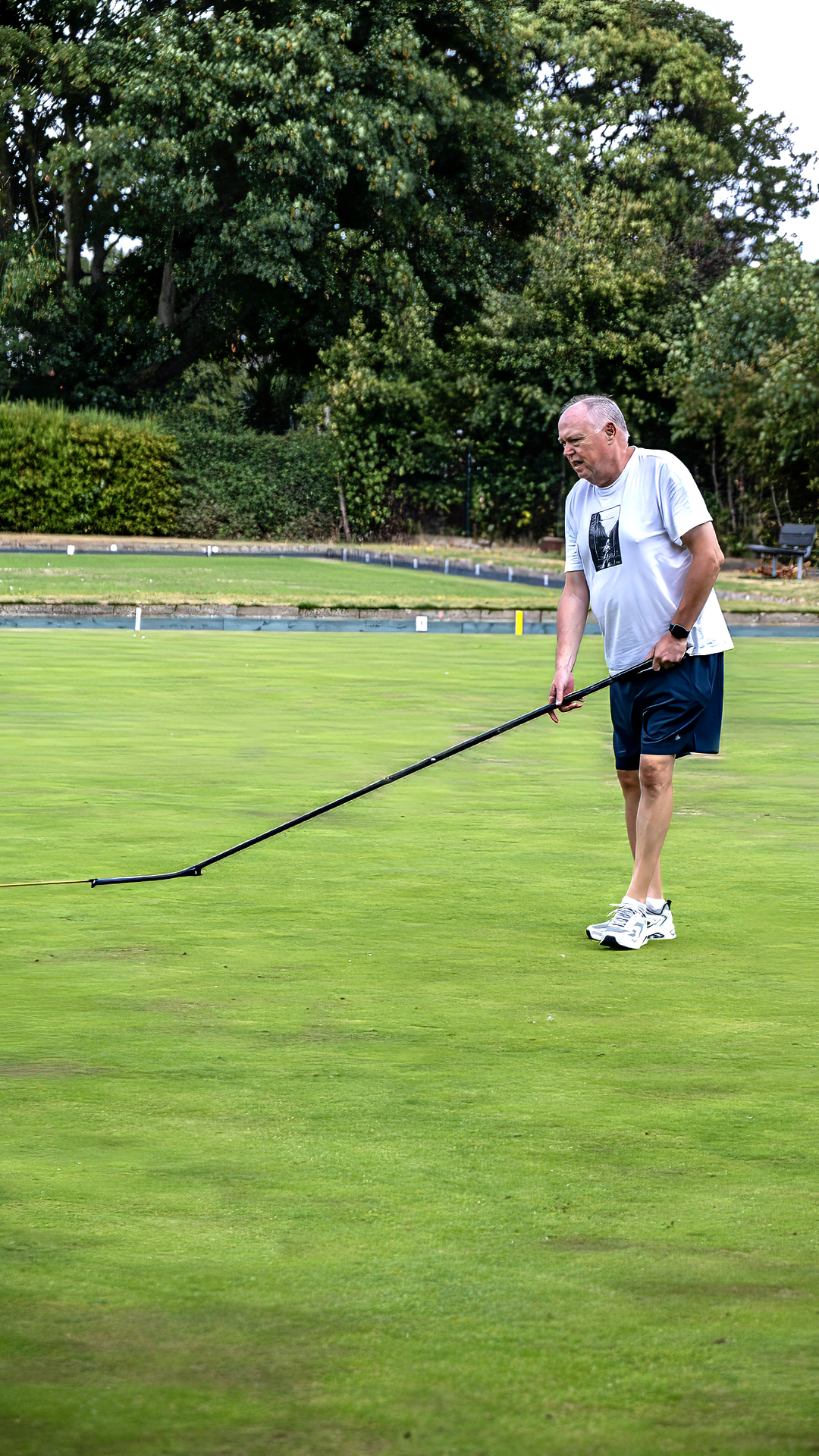
Competition begins with care. The morning starts not with the first bowl, but with the quiet act of tending the playing surface. Worm casts are brushed back into the turf, preserving its smoothness. It is an act of stewardship as much as preparation, a reminder that traditions endure because people are willing to care for them. Equipment is placed where it will be needed. The scene for the battle ahead is prepared
Before the First Bowl

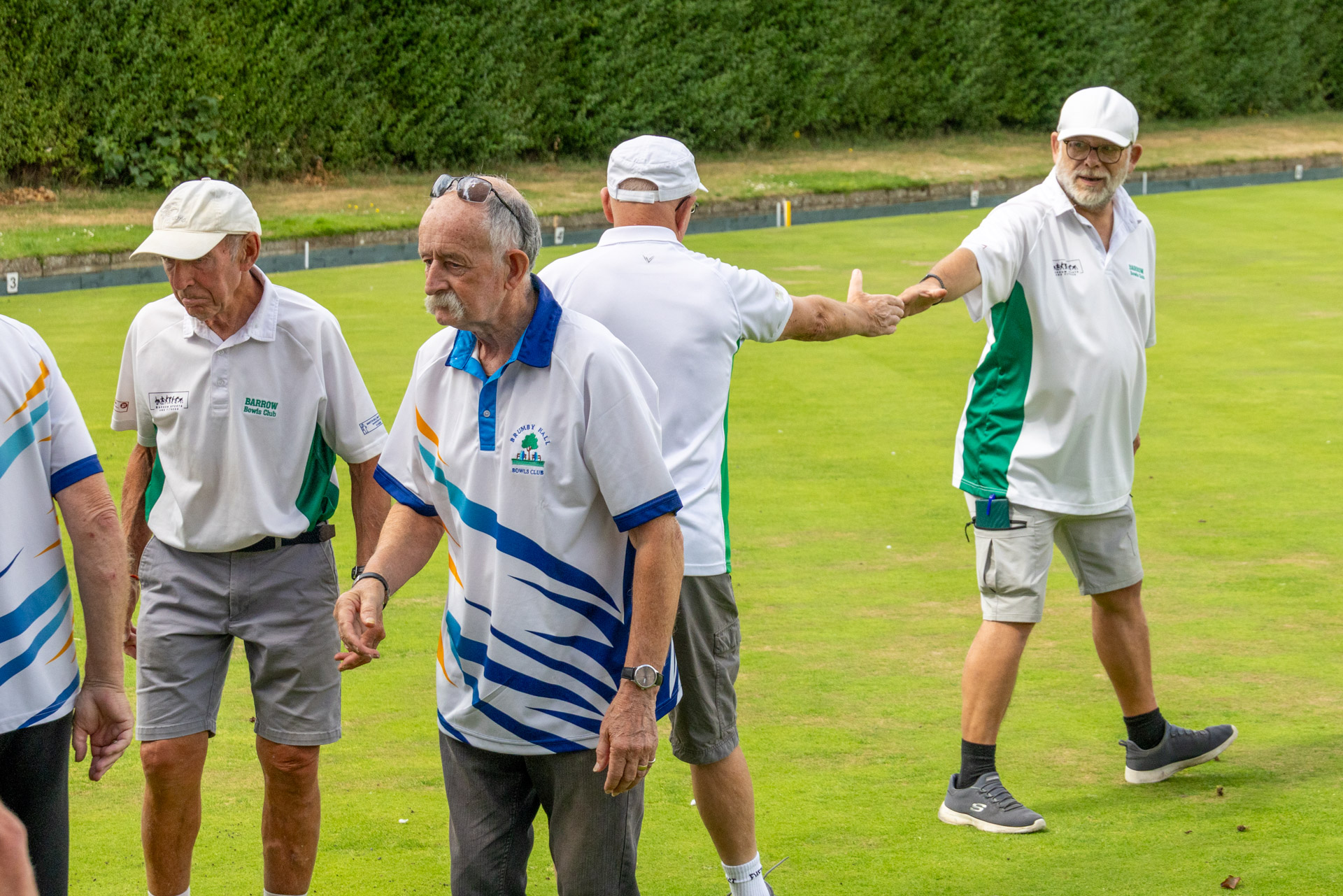
The contest begins not with the delivery of a bowl, but with the shaking of hands. Opponents exchange greetings and wish each other well, acknowledging that competition and friendship can exist together. It is a small gesture, repeated before every match, yet it speaks volumes about the values of the game.
The Laying of the Mat

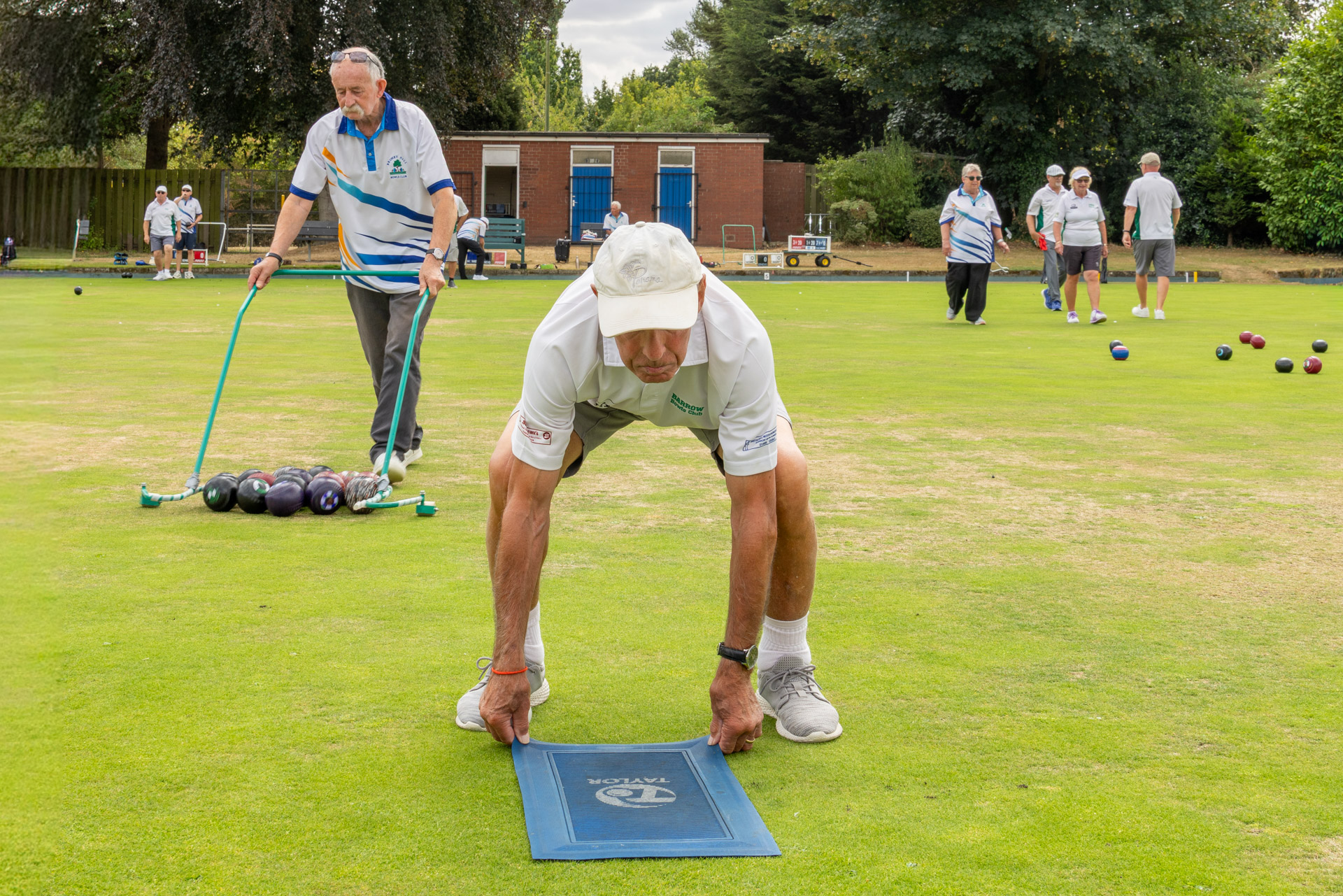
Every end begins with a beginning. Before skill, judgement or luck can influence the outcome, the mat is placed upon the grass. It marks not just where the bowl will be delivered, but the quiet renewal of the game itself. With each new end comes another opportunity, another challenge, another chance to finish closest to the jack. With many feet to pass over it, the mat protects the holy turf below it.
The Jack

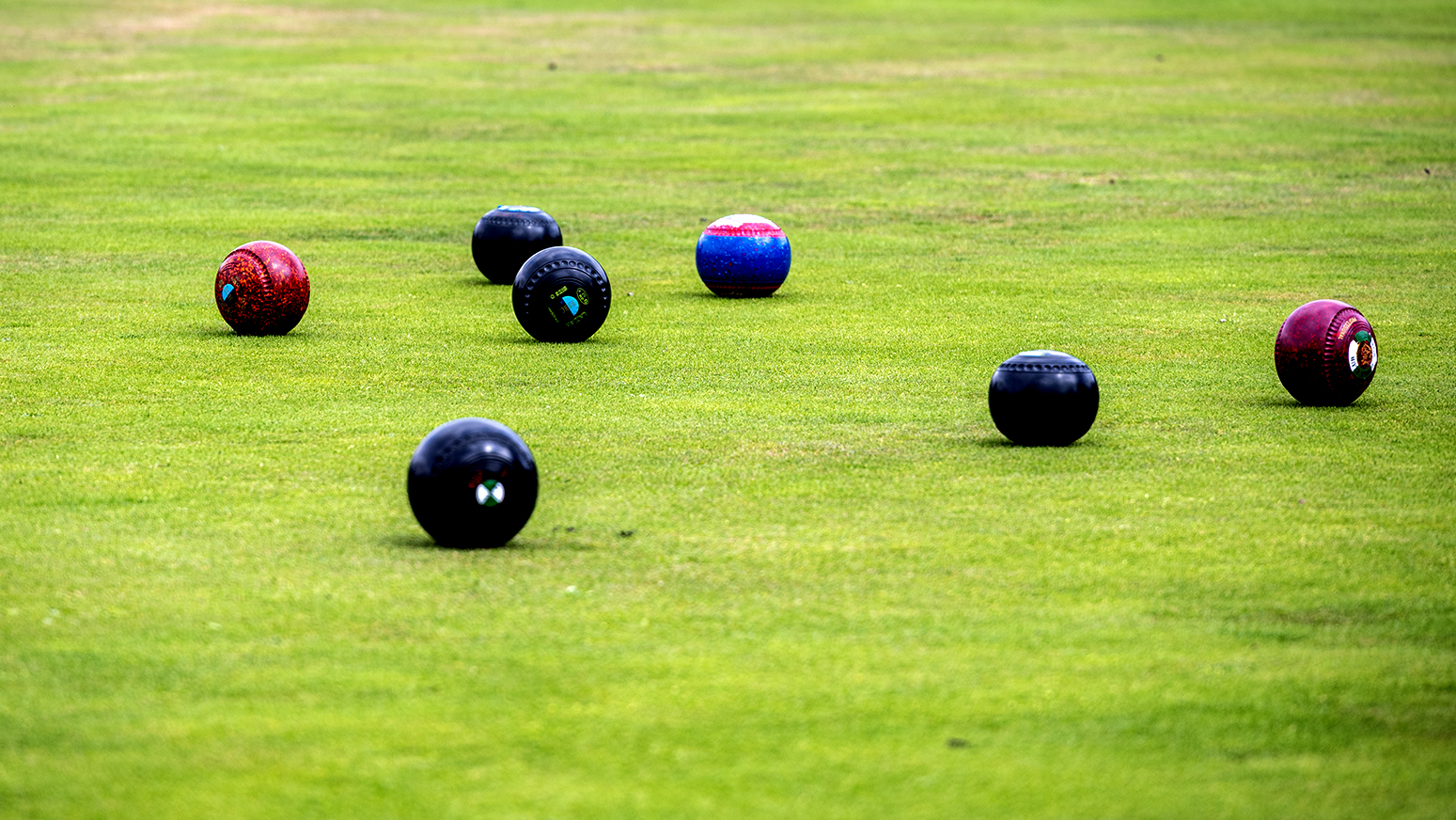
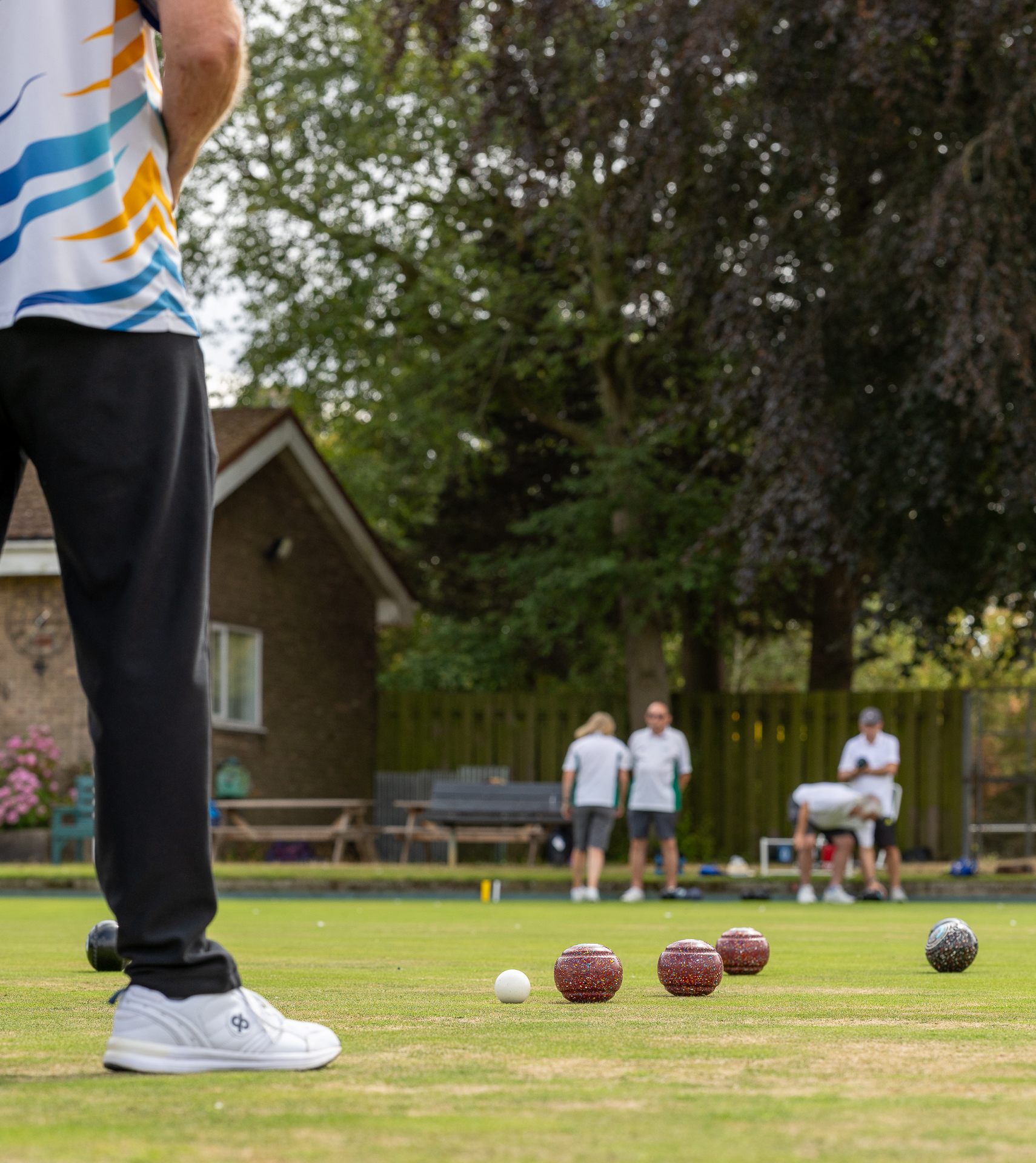
The first act of every end is to send the jack ahead. A small white ball rolls into the distance, quietly marking the destination for everything that follows. Soon the bowls will begin to gather around it, some seeking to finish closest, others determined to move their rivals farther away.
For a moment, though, it waits alone, almost as if patiently waiting for the game to catch up.
Commitment

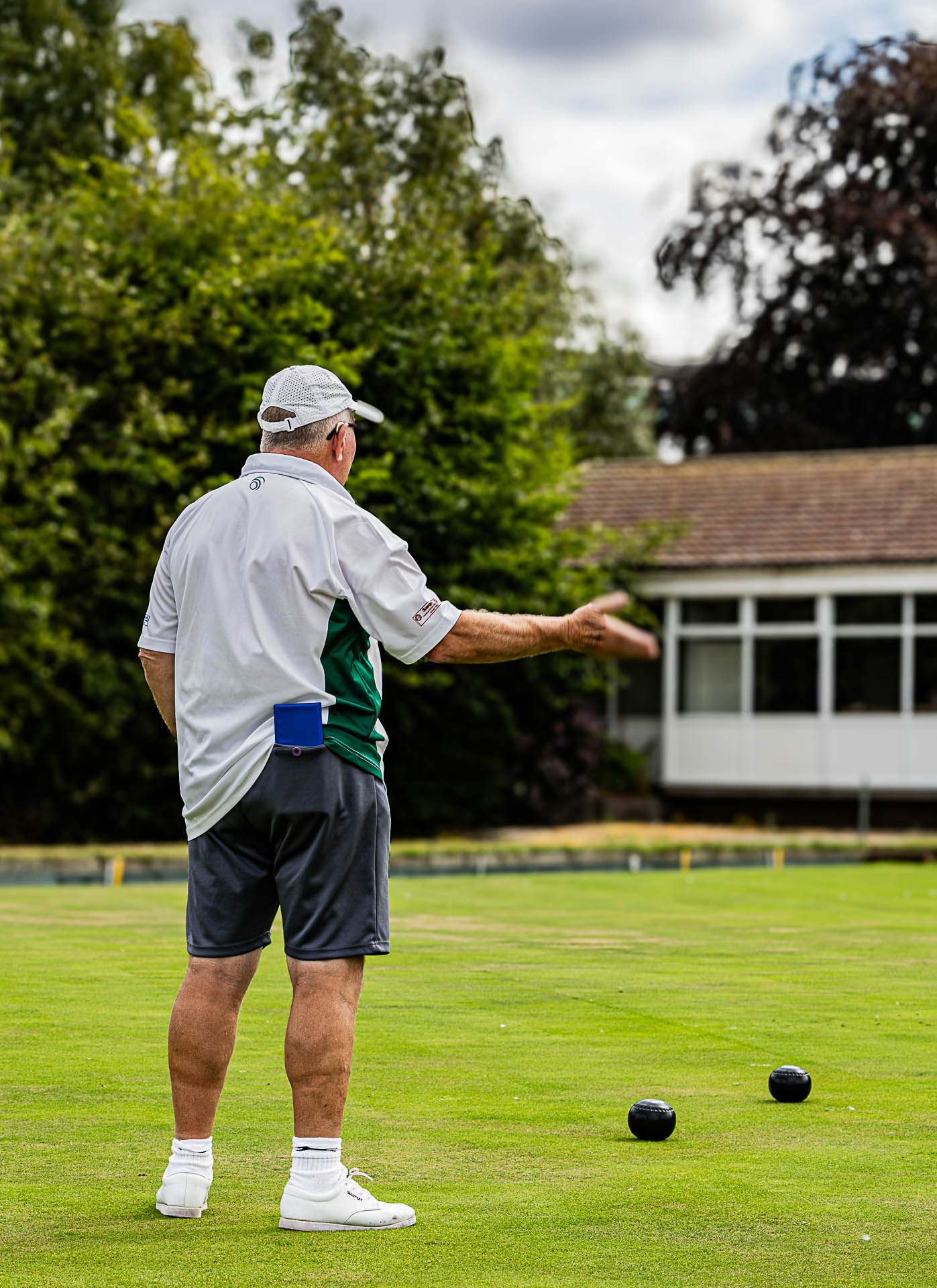
Every bowl begins as an idea. Before it can travel across the green, it must first leave the player’s hand. In that brief moment between intention and action there is no certainty, only trust that experience has judged the landscape correctly.
The Moment of Release

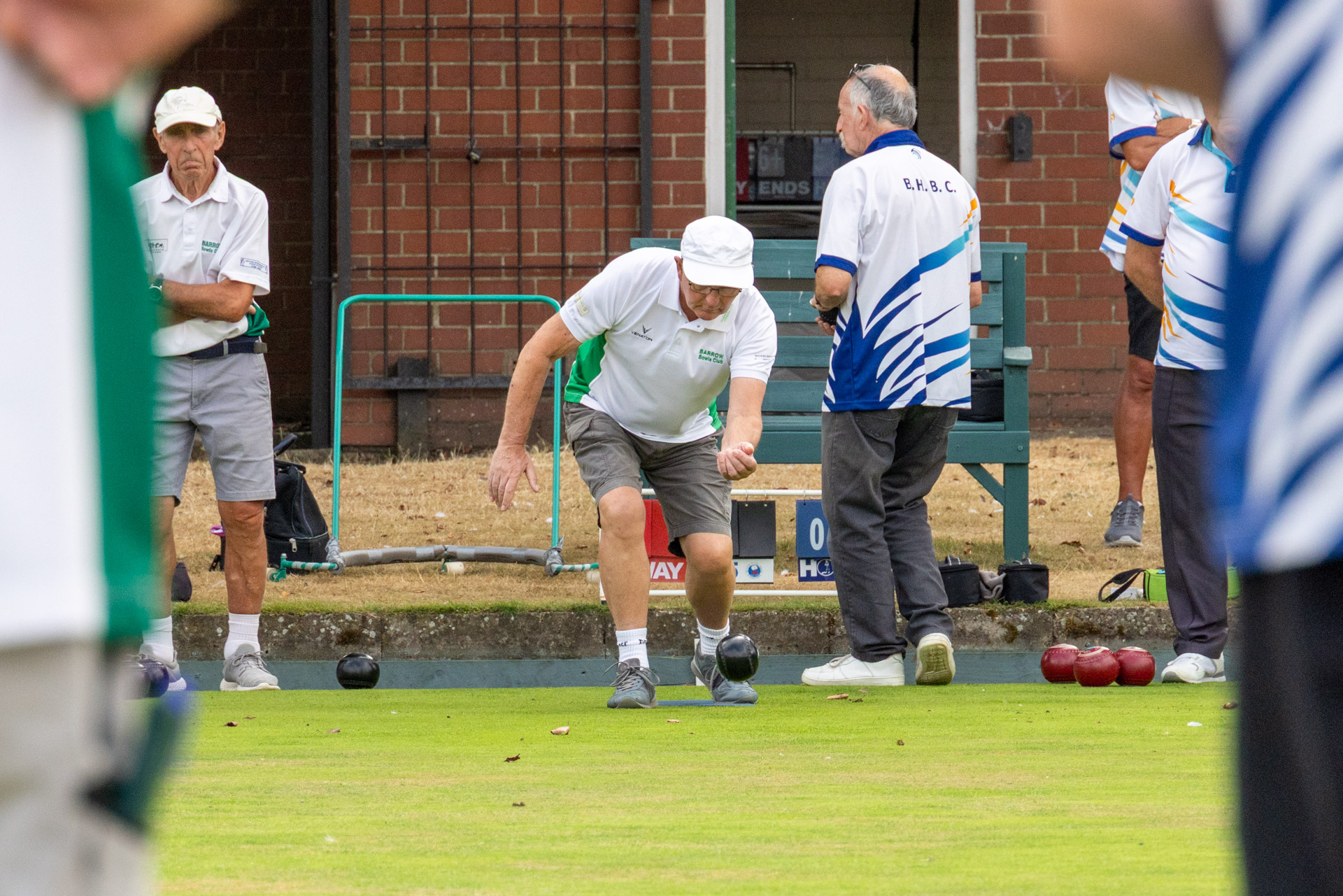
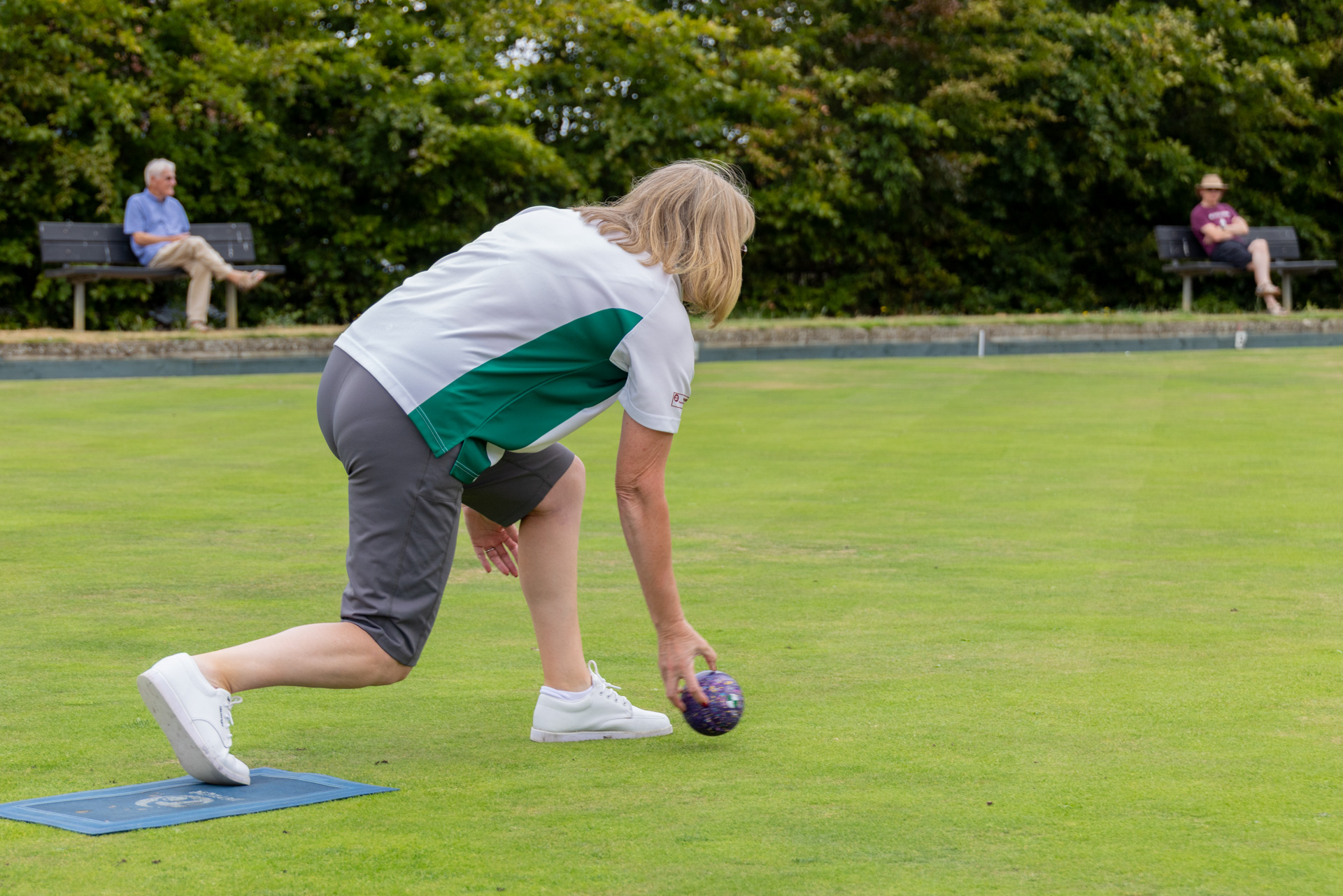
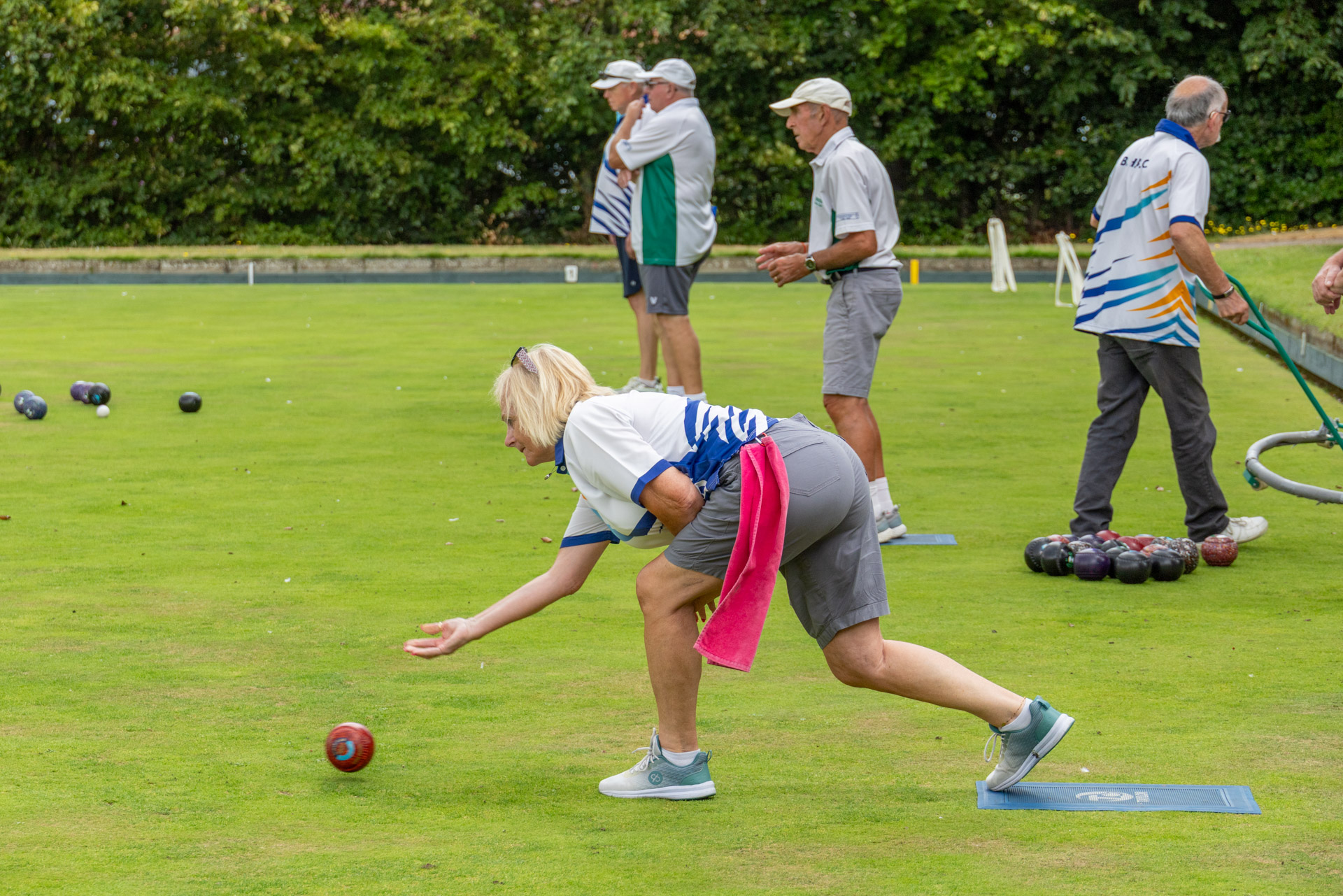
The rules require at least part of a foot remains on the mat, but the body is free to twist into positions refined through years of practice. Balance, timing and a smooth release determine not only where the bowl begins its journey, but how its natural bias will carry it across the green.


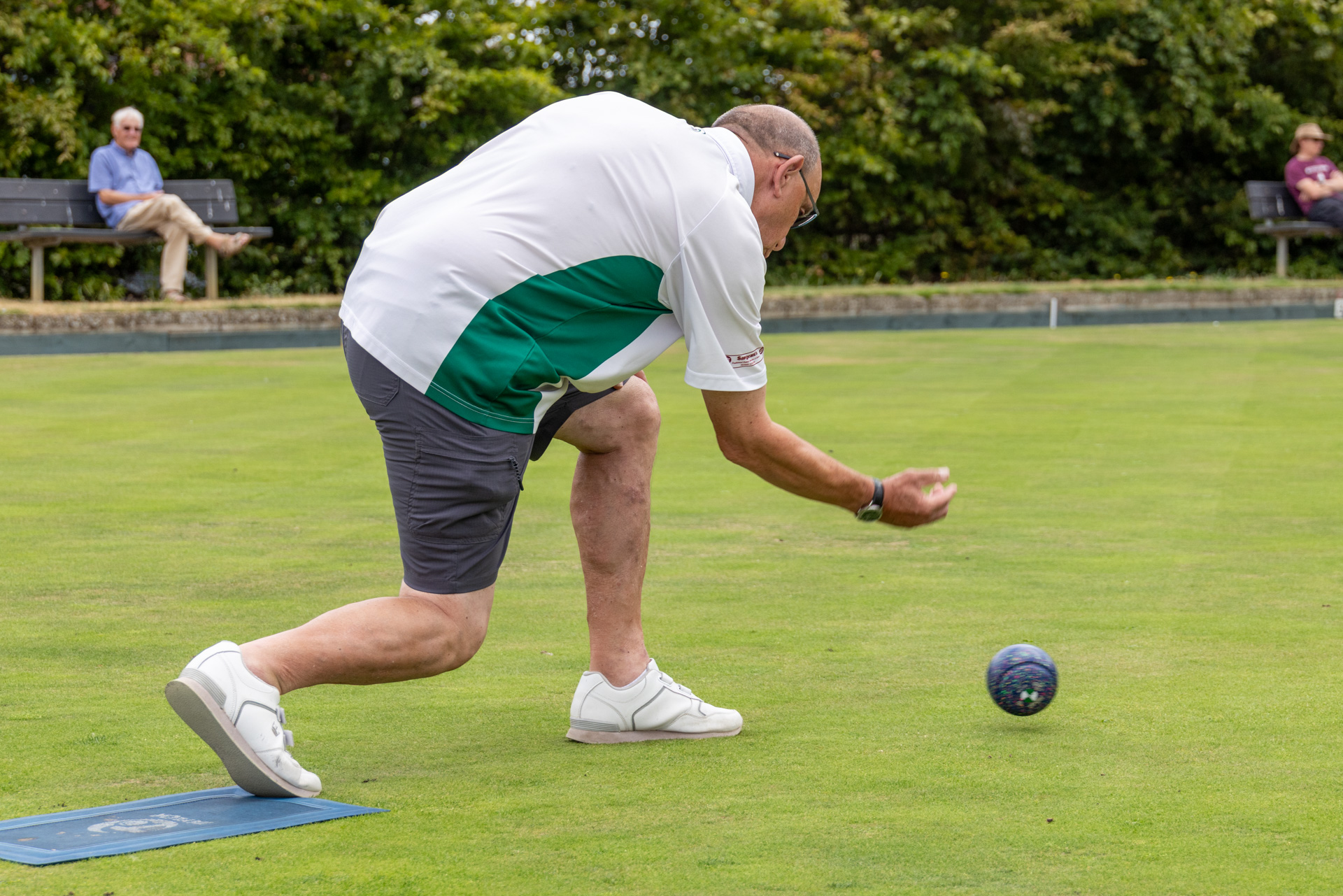


The delivery lasts only a moment, yet it embodies years of experience. the trailing foot anchors the player to the mat while the body lowers almost to the grass. Every movement has a purpose, every detail contributing to the line, weight and rhythm of the shot.
The bowl leaves the hand in silence. From this point onwards there is nothing more the player can do. The journey of the wood now belongs to the green.
An Invisible Line

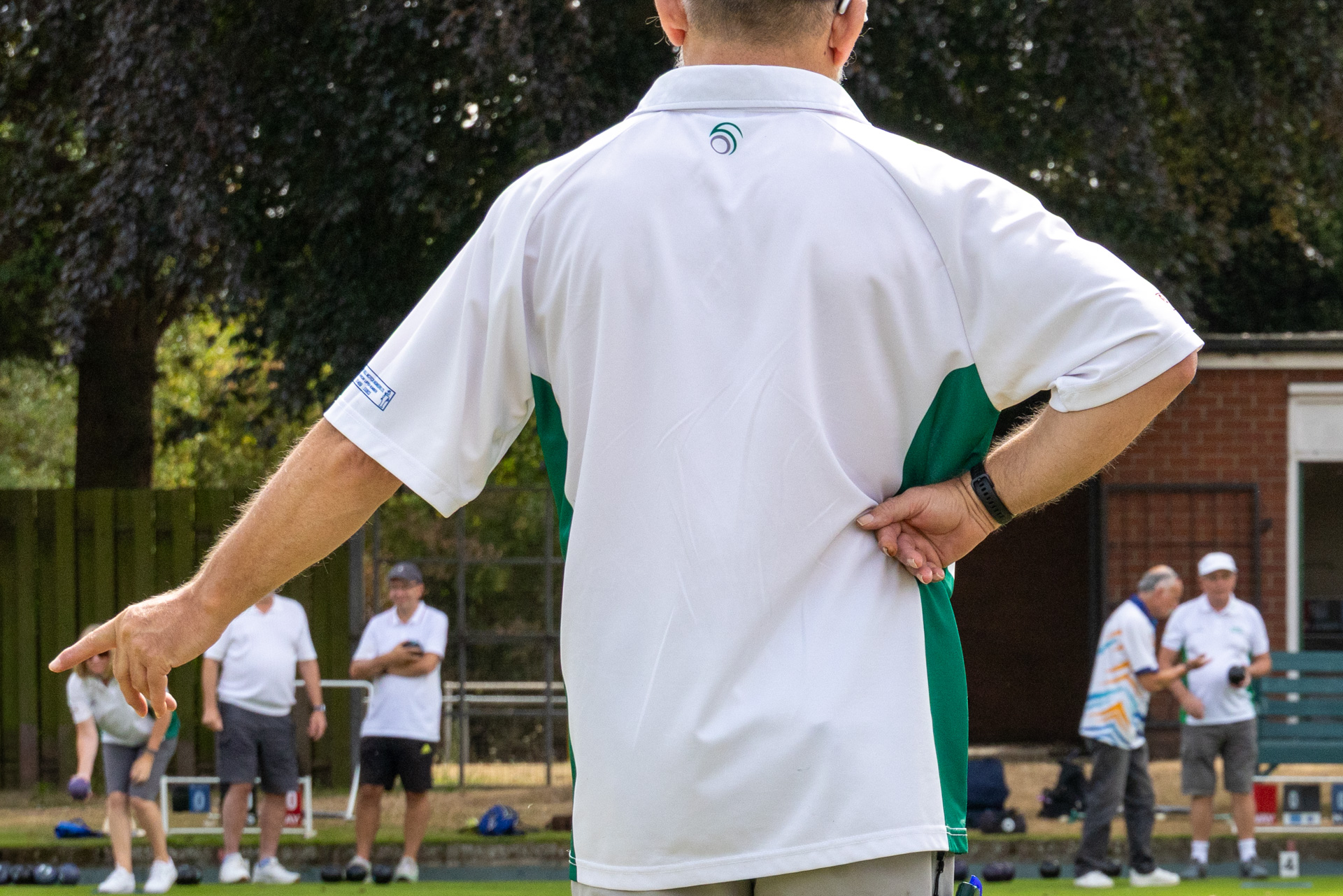
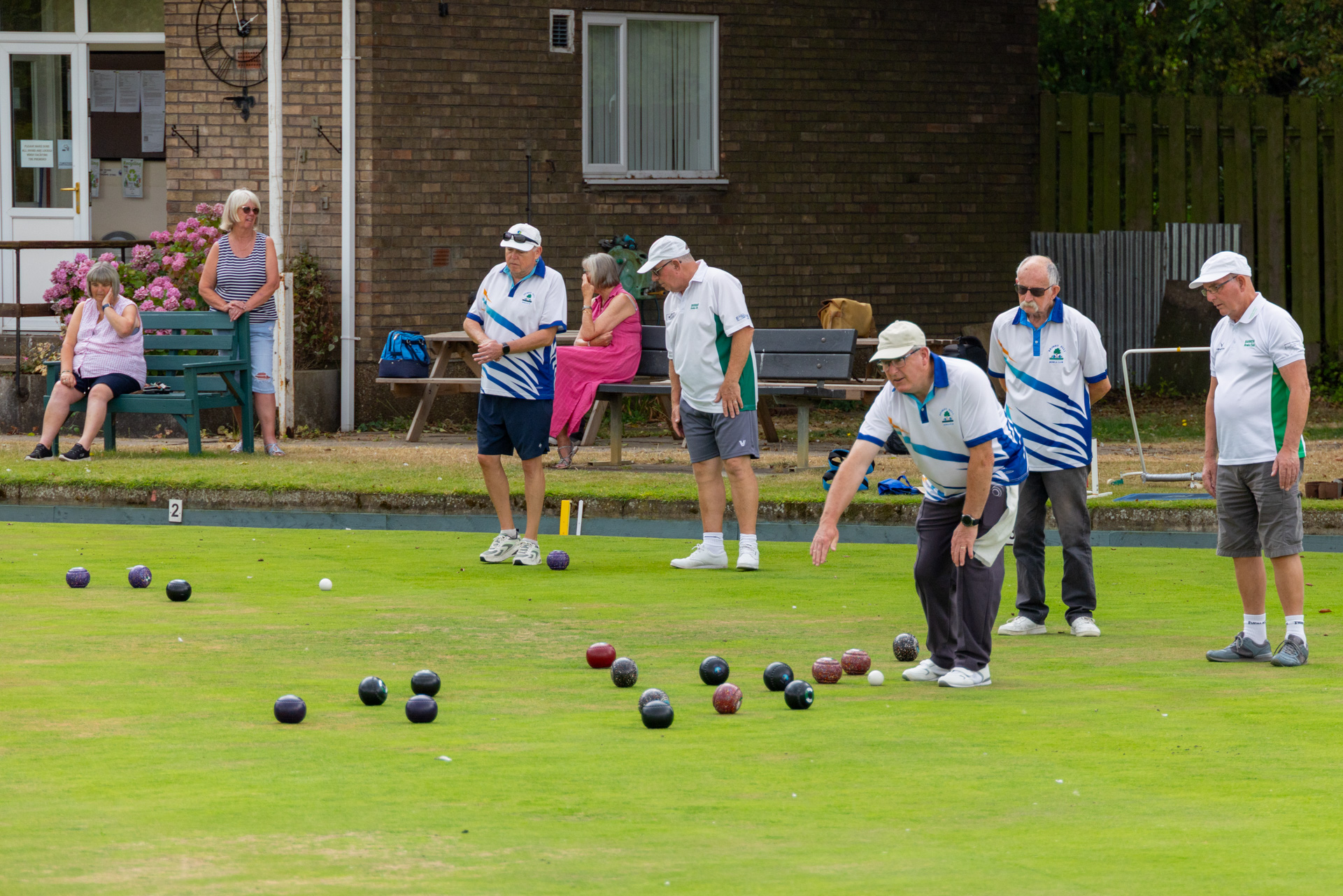
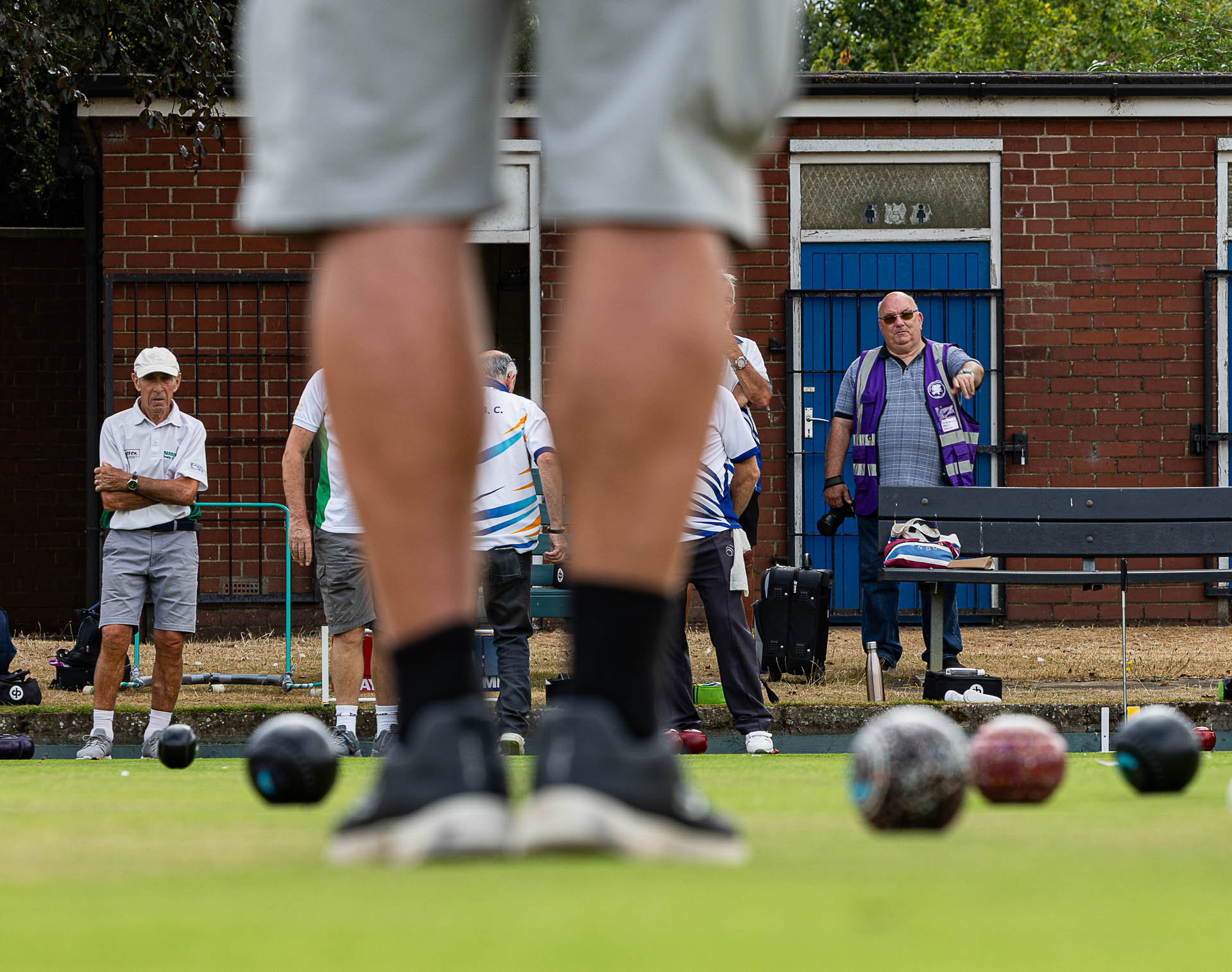
No line is painted on the grass, yet every player can see one. Fingers point towards an imagined route, anticipating the graceful curve each bowl will make as it slows and turns towards the jack. The path exists only in the minds of the players, shaped by experience, judgement and an intimate understanding of the green.
The Quiet Between


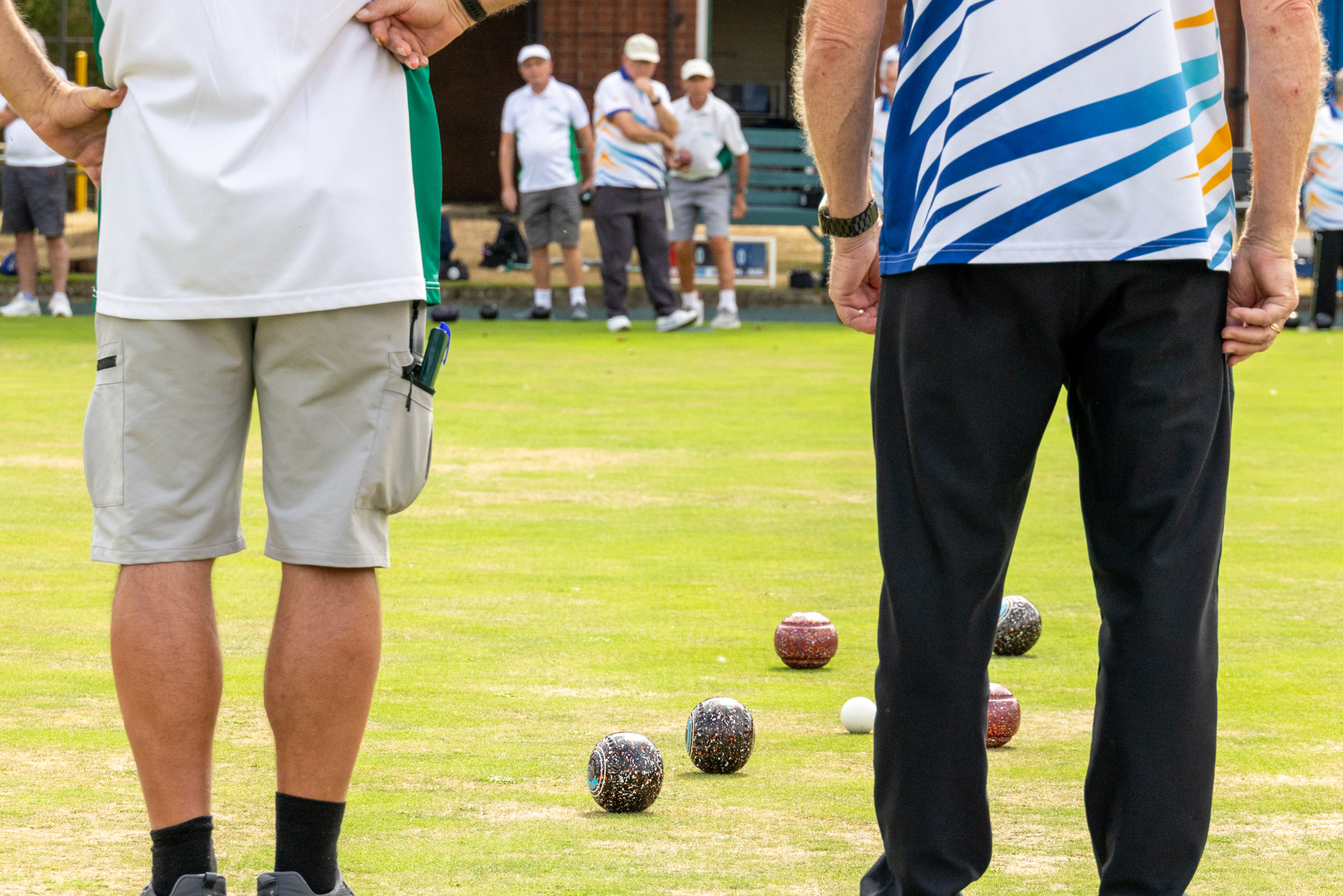
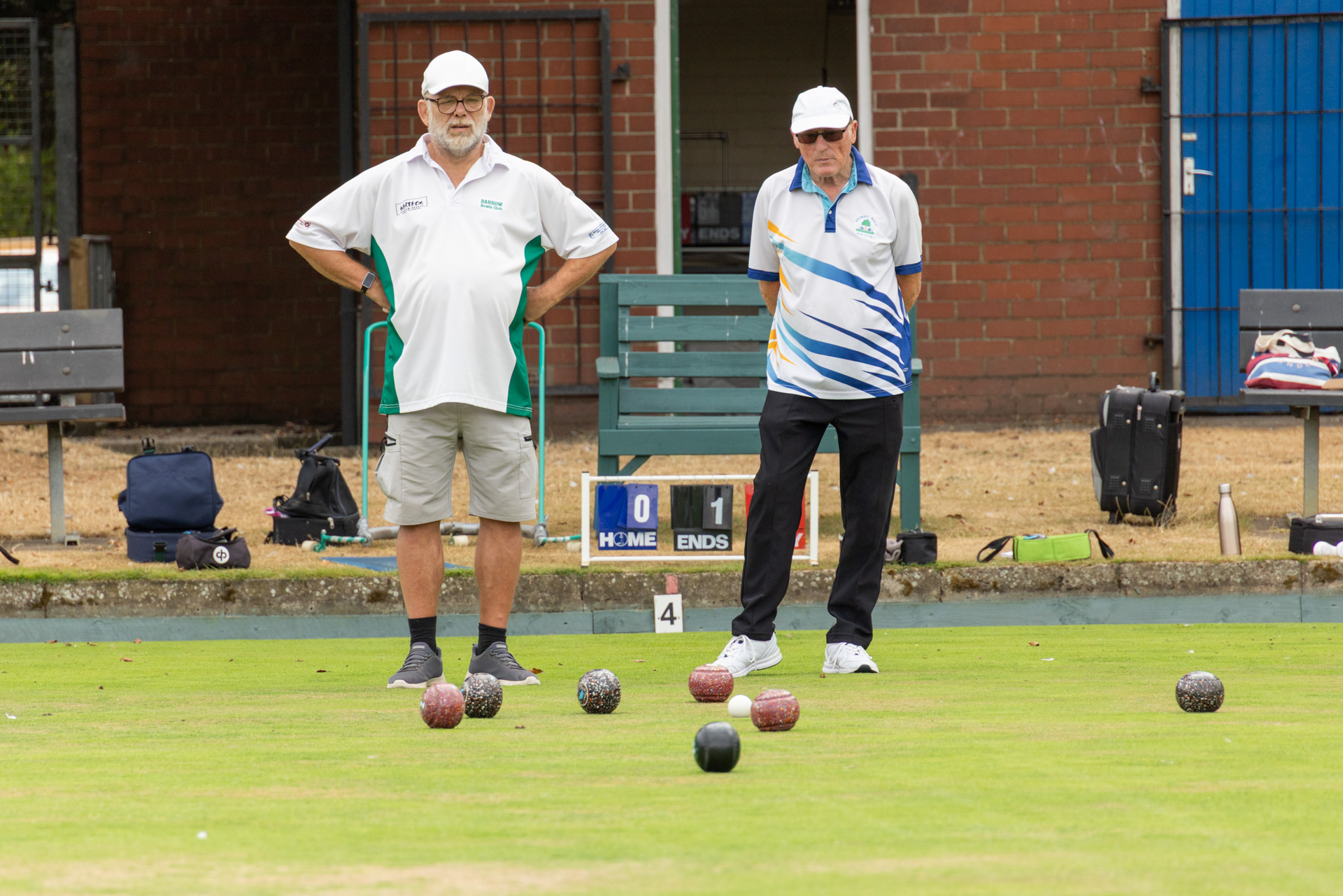
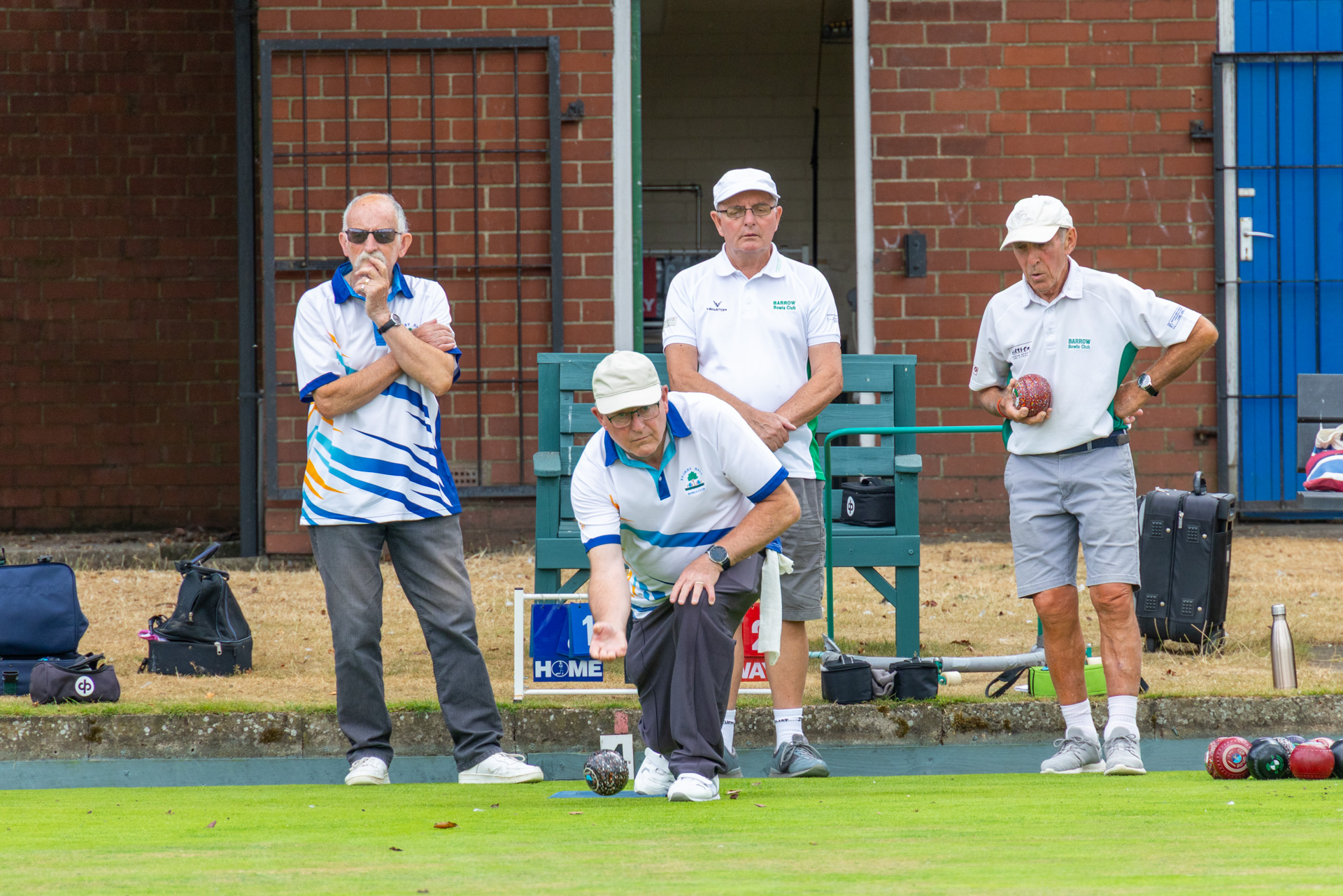
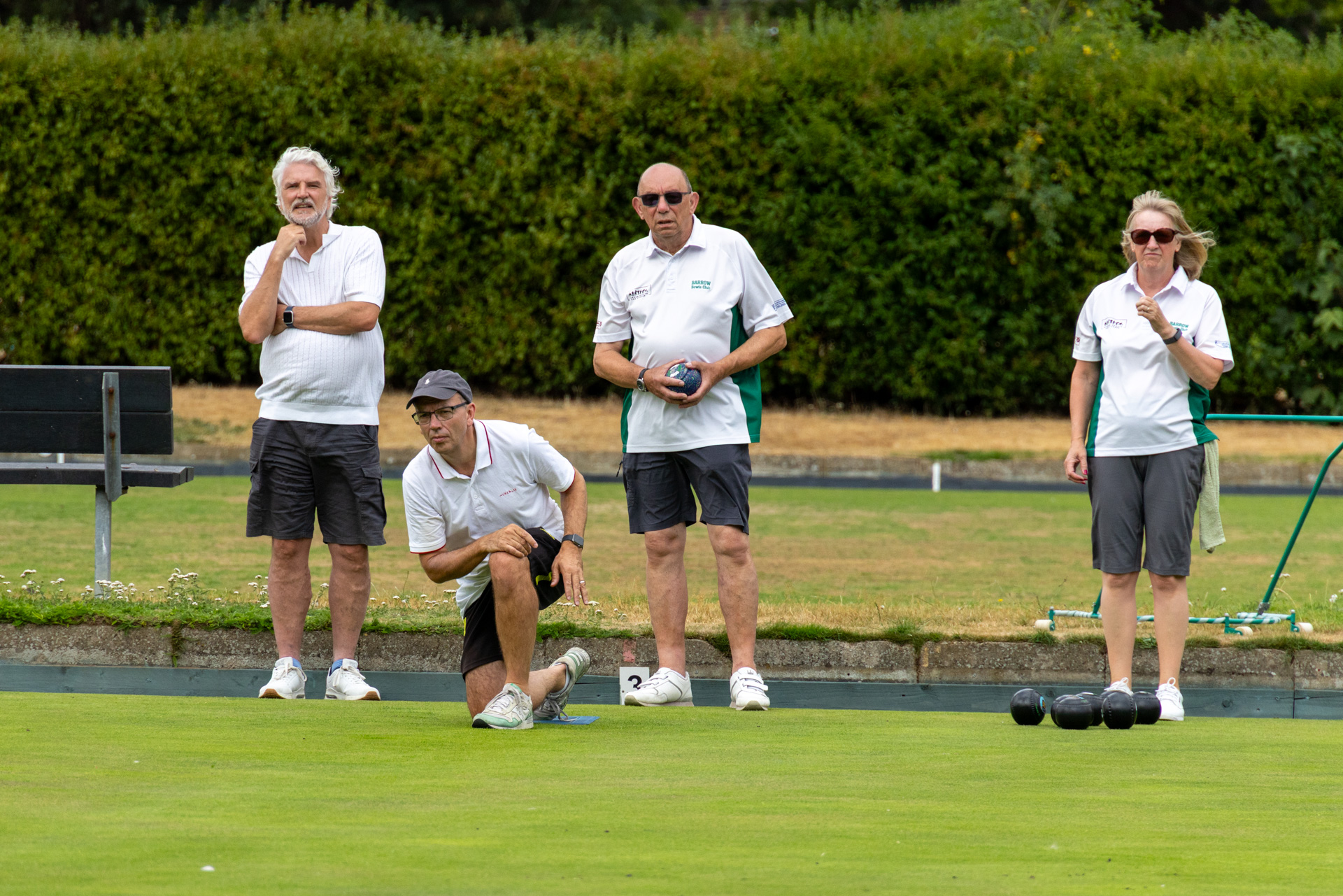
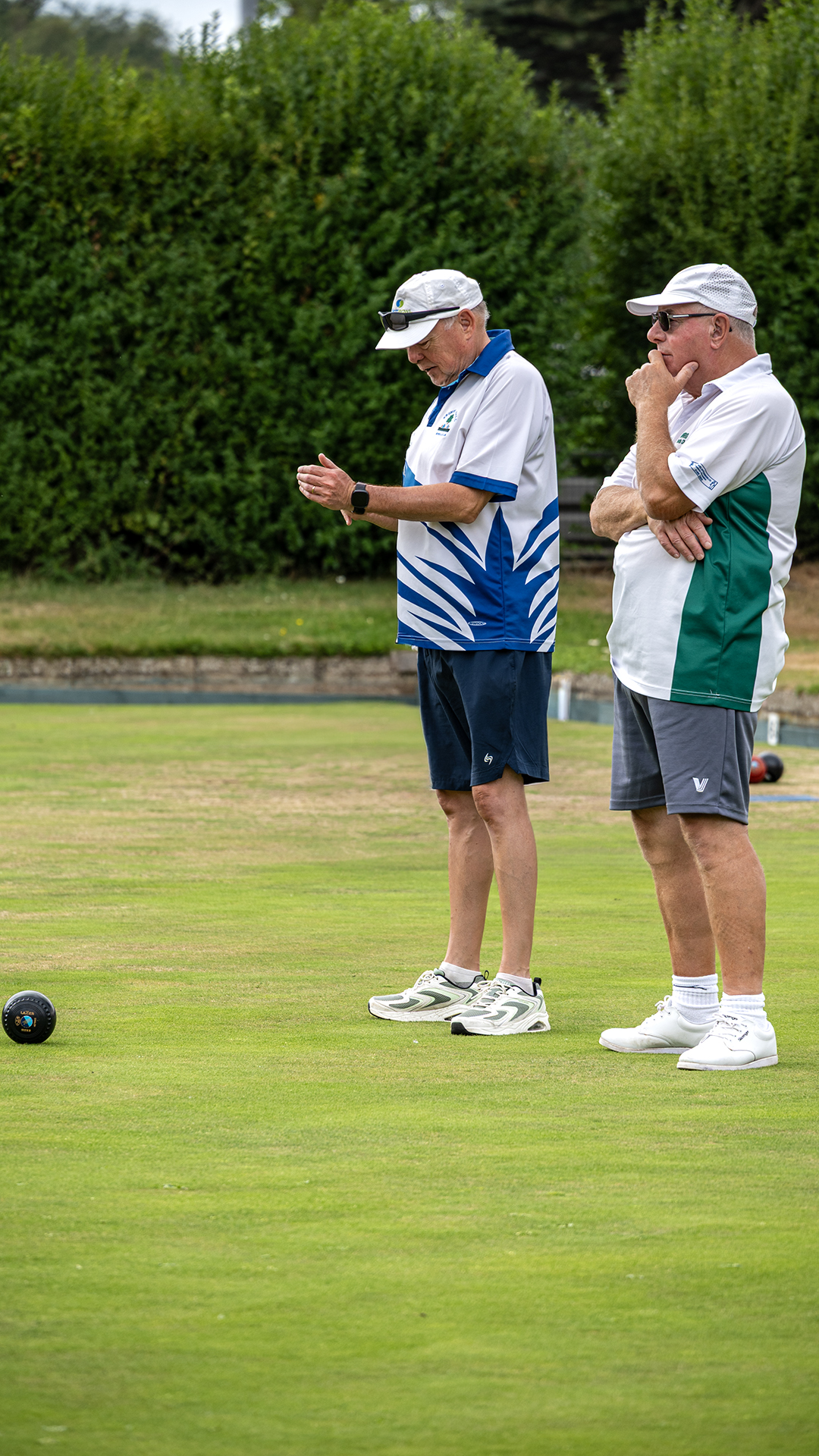
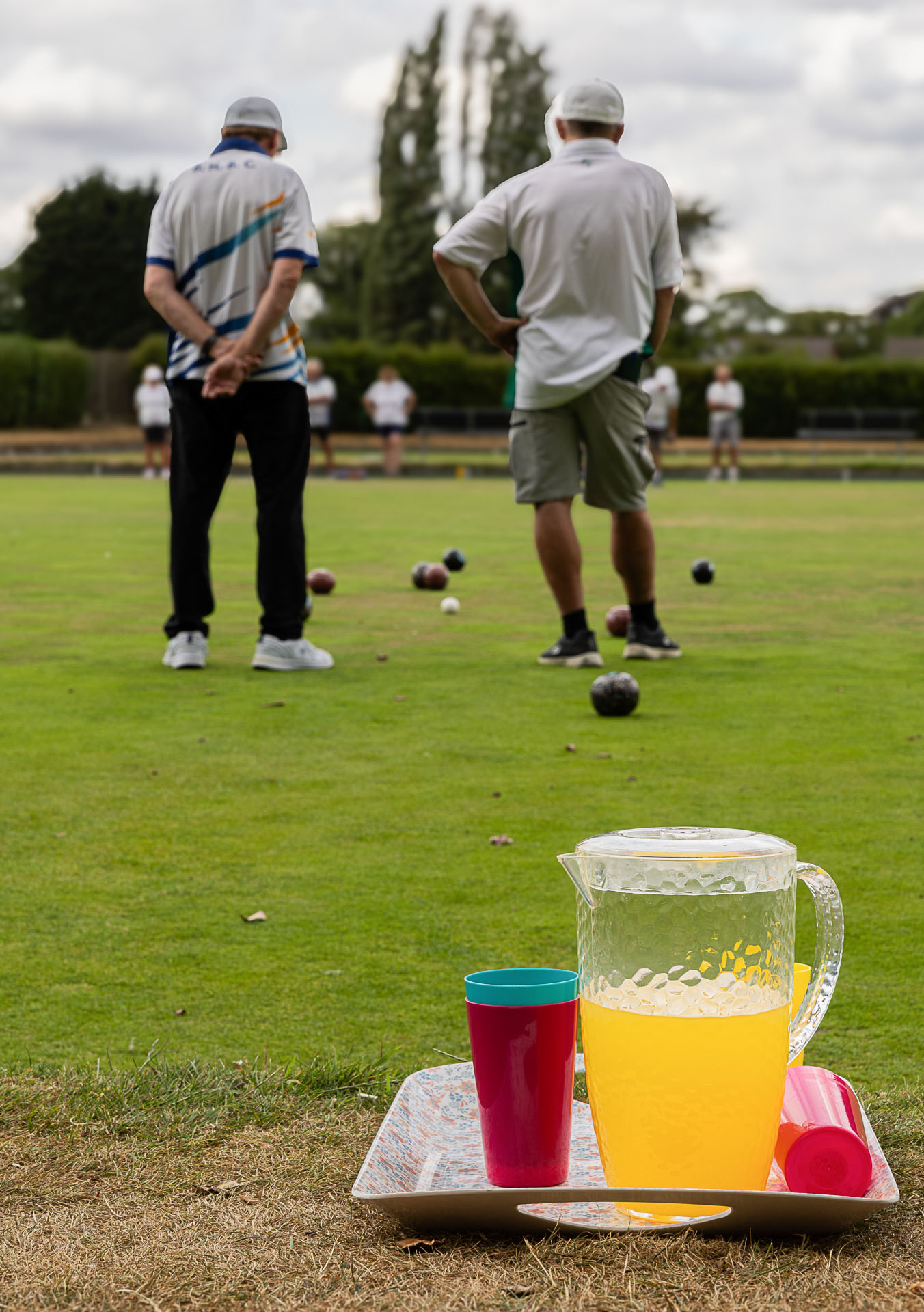
Bowls is a game of movement followed by reflection. A delivery is followed not by celebration or disappointment, but by a thoughtful silence. Hands rest behind backs, eyes trace invisible lines across the green, and the end is read before the next decision is made. In that quiet pause, experience speaks louder than words.
Gathering the Bowls

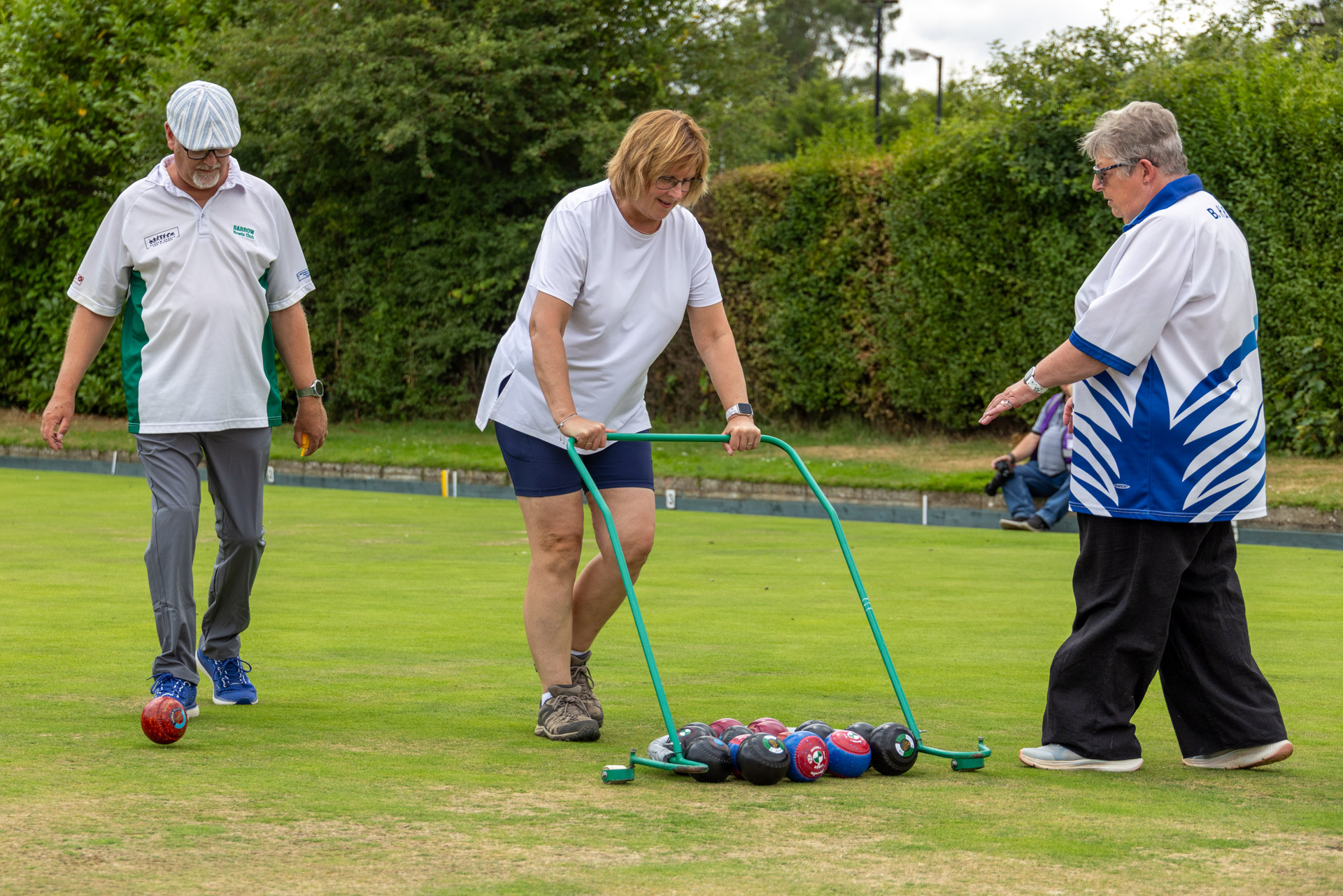
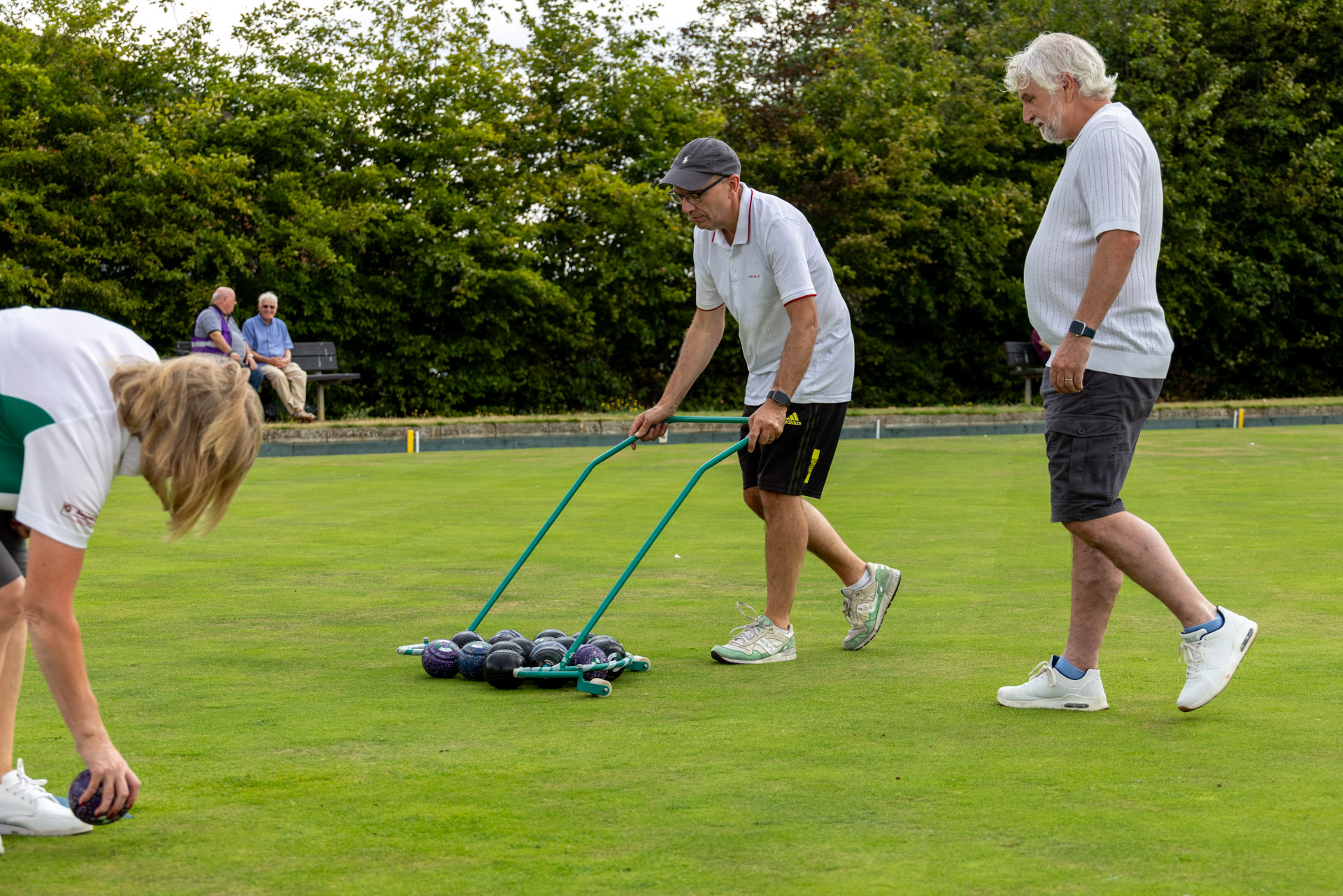
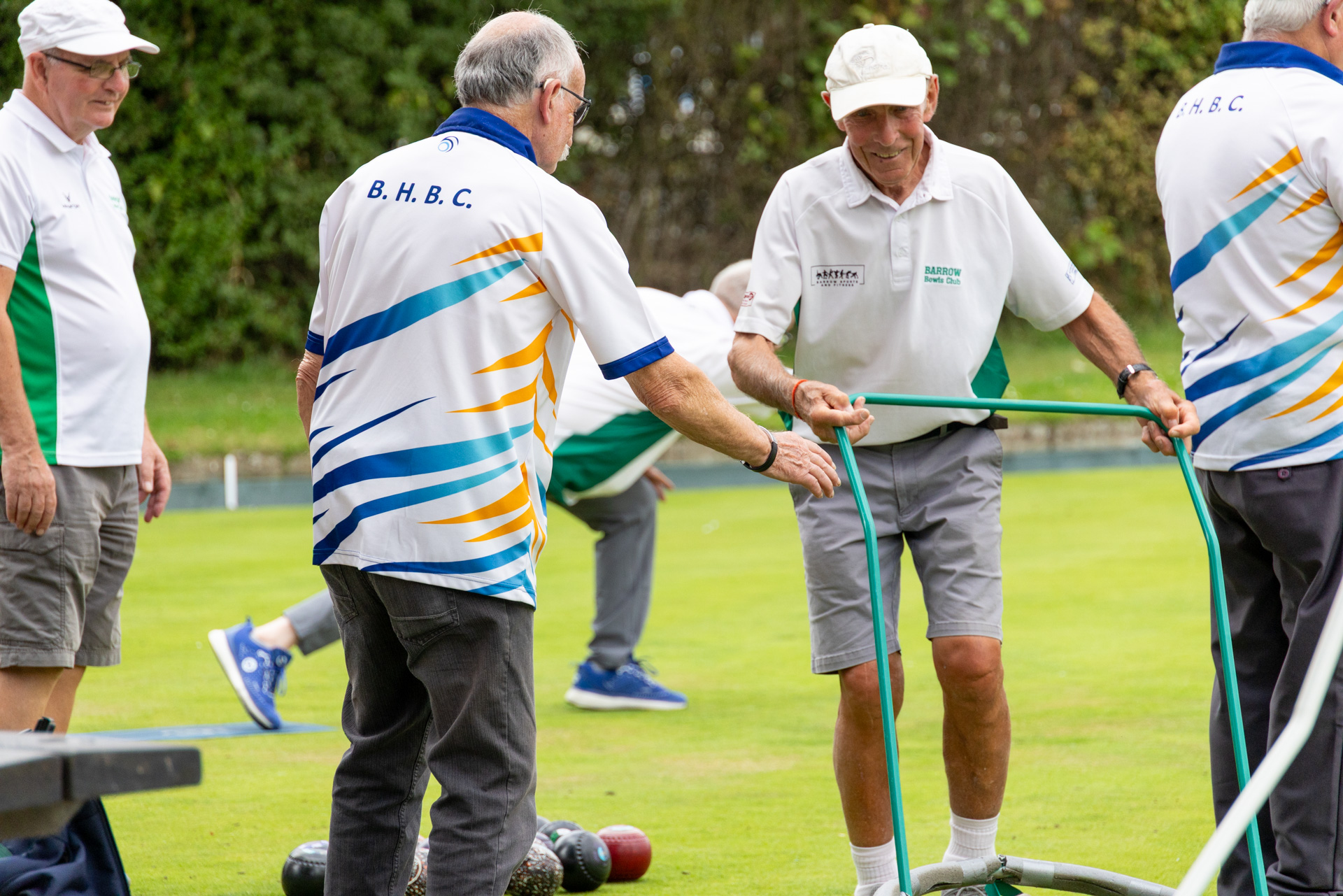
Between ends, the bowls are gathered and returned to the mat. A simple wheeled trolley replaces repeated journeys across the green, saving effort while preserving the quiet rhythm of the game. Like so many of the traditions surrounding lawn bowls, its purpose is practical, almost unnoticed, yet it contributes to the gentle flow of the afternoon.
Between Ends


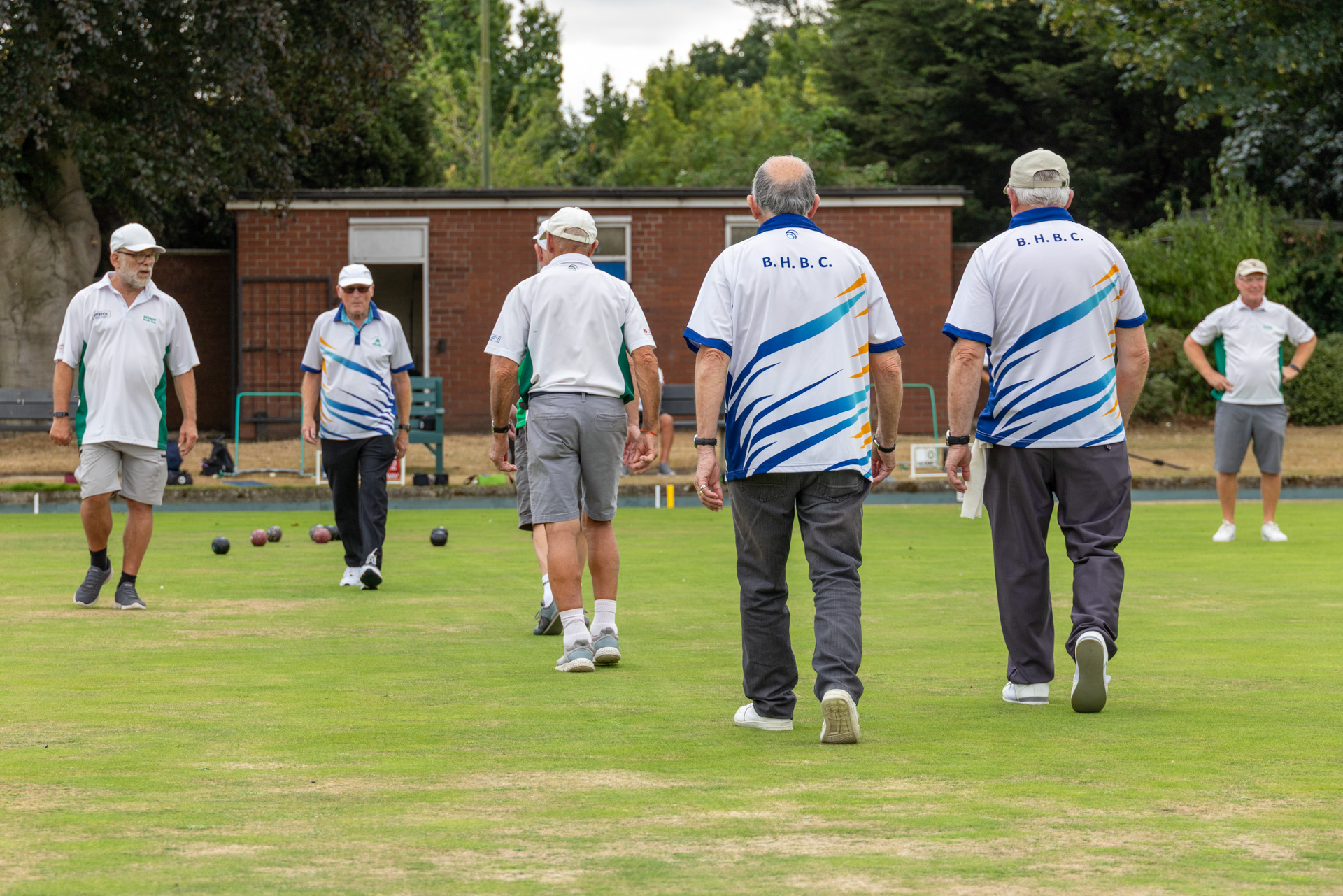
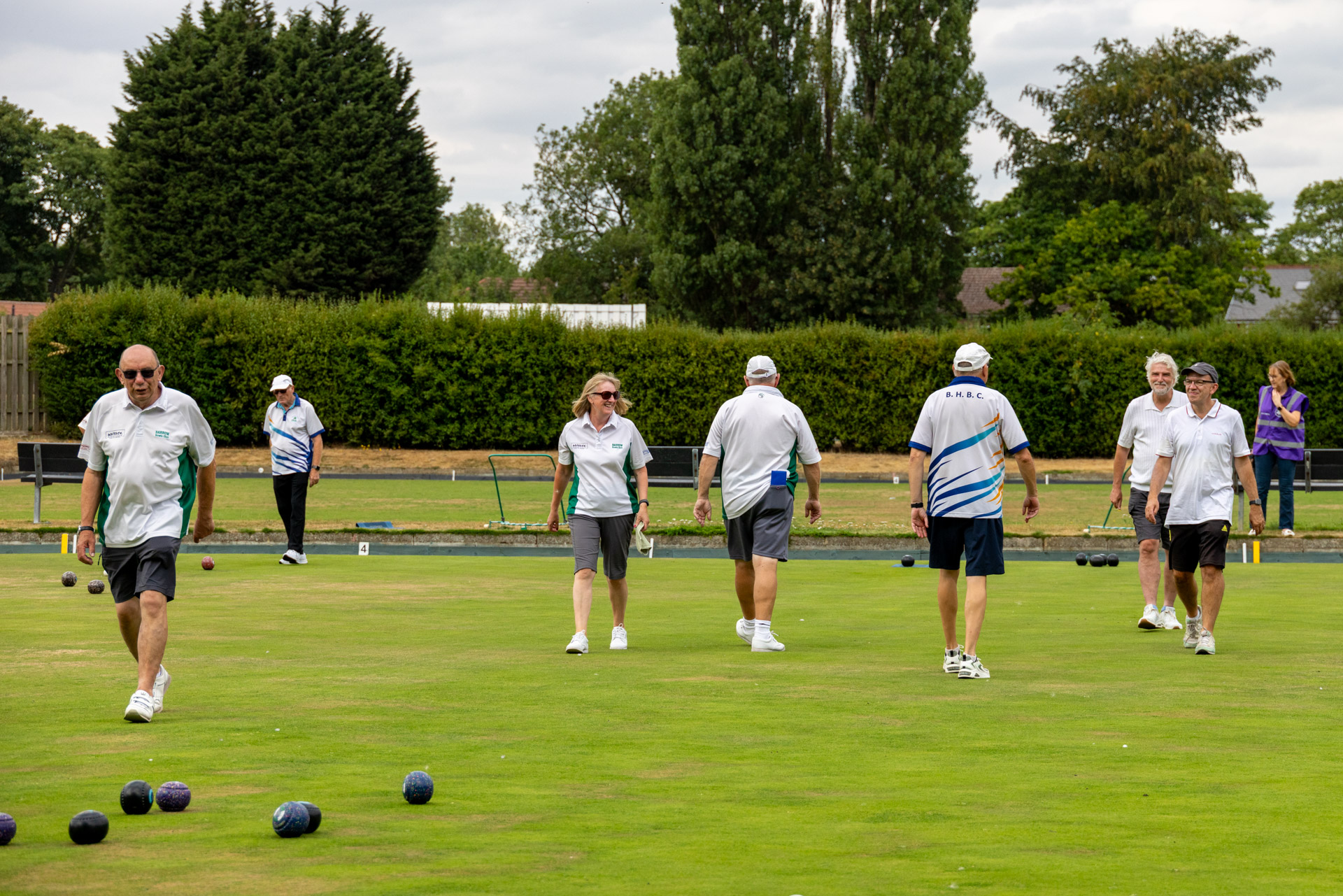
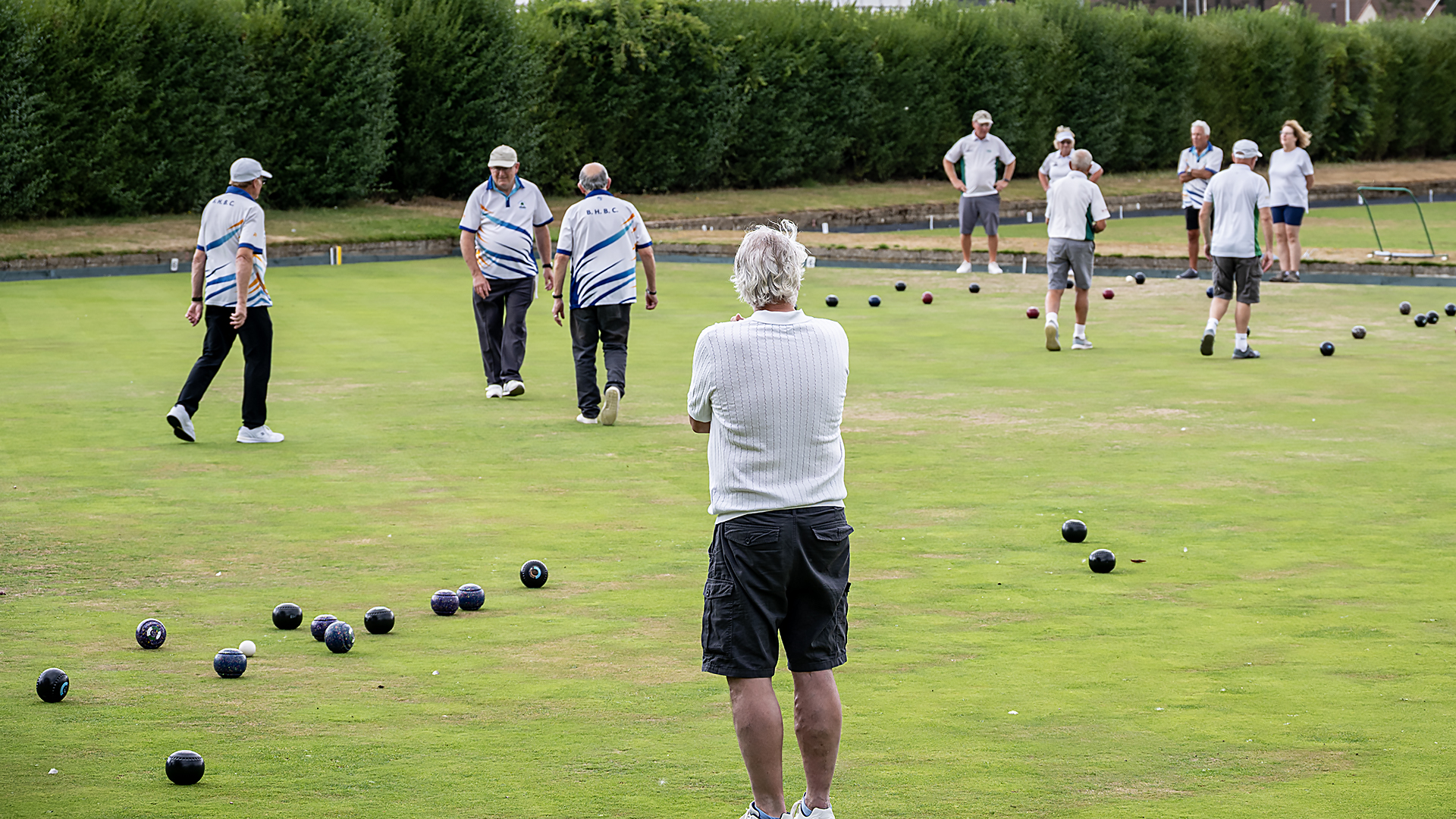
Every end concludes with a walk to the other end of the green. There is no hurry. Conversation resumes, bowls are gathered, the mat is laid once more, and the game begins again. By the end of an afternoon’s play, each player will have walked around two miles, the steady rhythm of the game becoming exercise almost without noticing.
I wonder whether, during those repeated walks, the players begin to know the green beneath their feet. Can they sense its borrow long before the next bowl is delivered? Are they reading the landscape not only with their eyes, but with their steps?
The Last Ritual

As the afternoon draws to a close, colourful beakers are filled and placed ready for the players. Before conversations move from the green to the clubhouse, one final act of preparation takes place.
The game may finish with the final bowl, but its traditions conclude with hospitality.
The Players


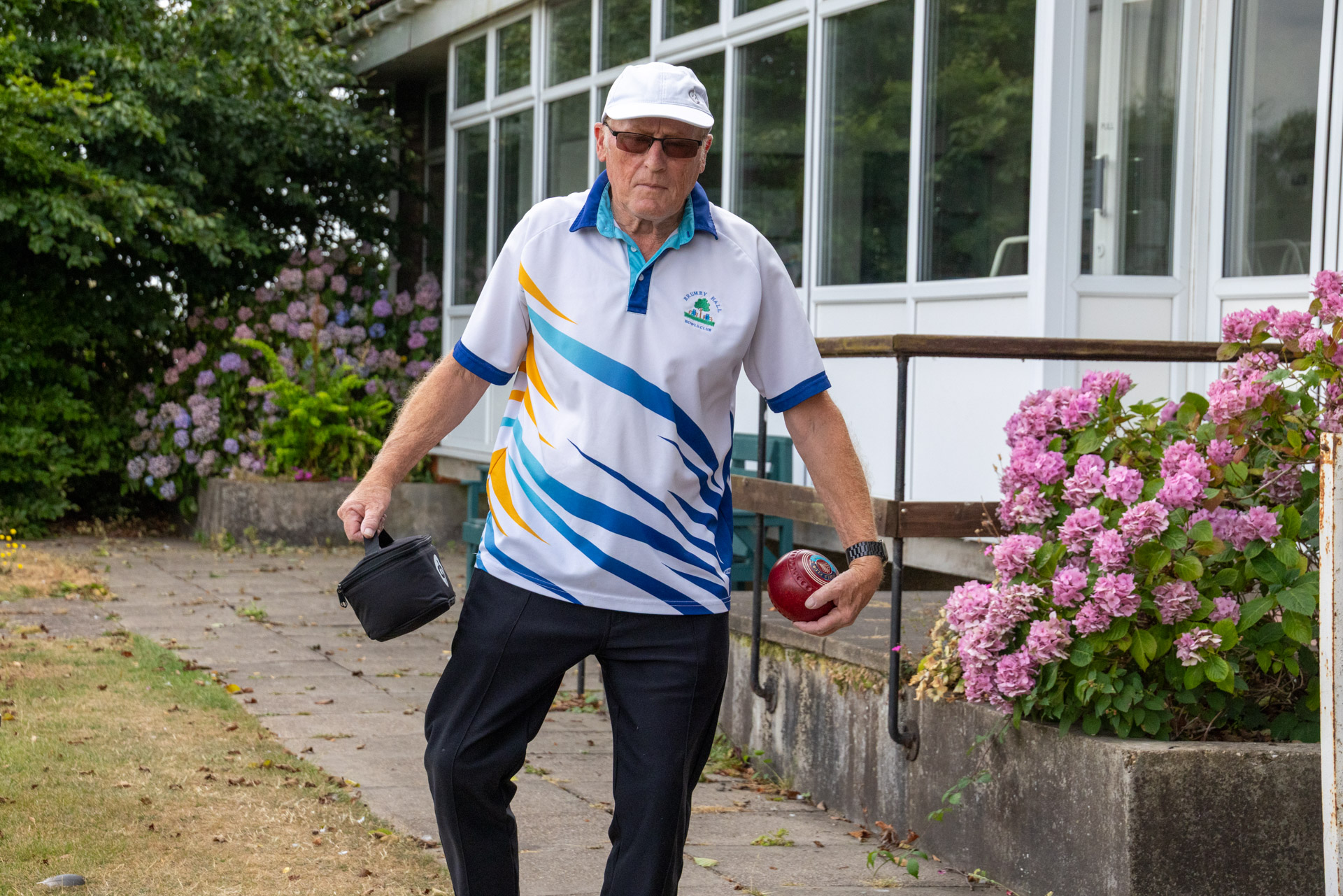
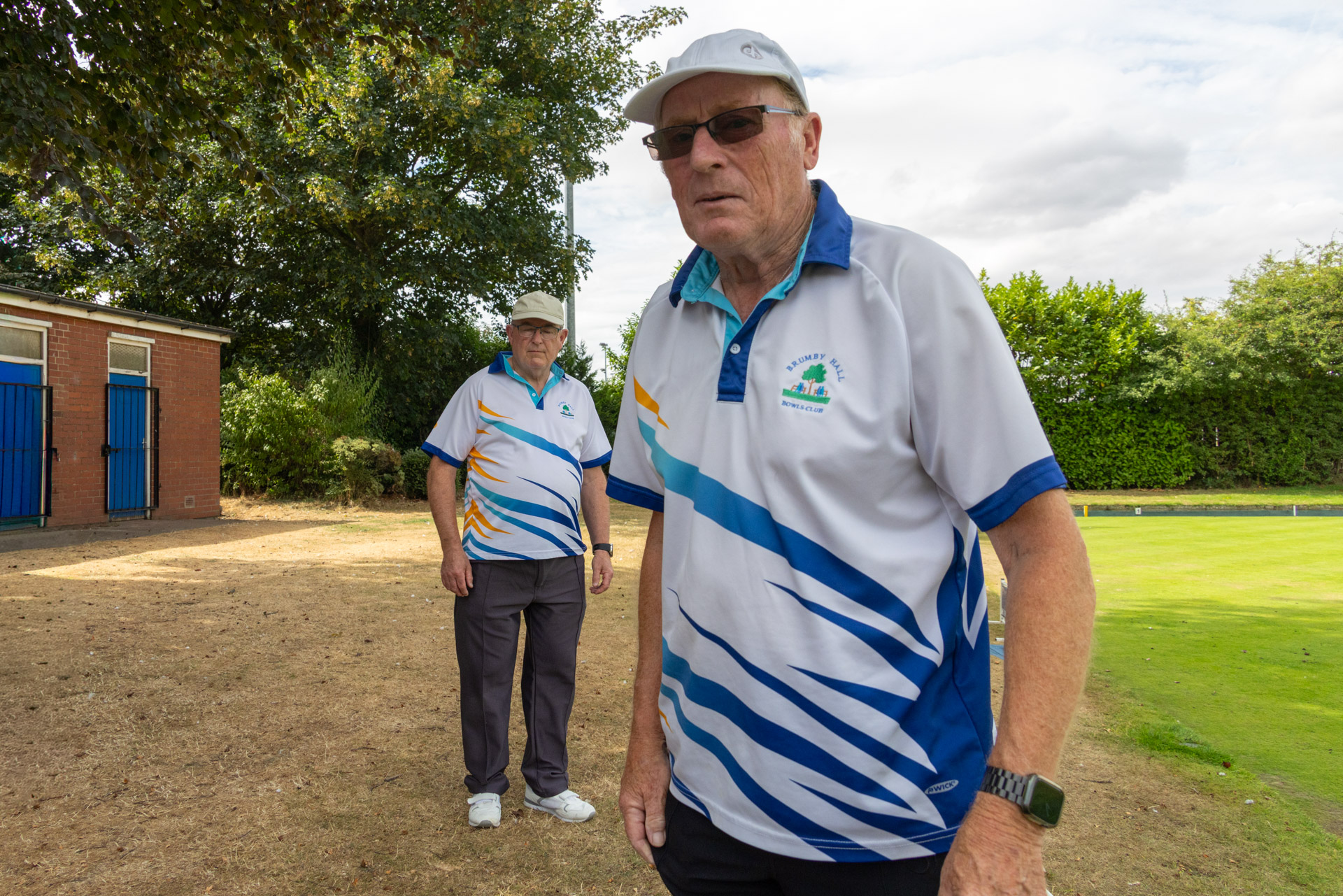
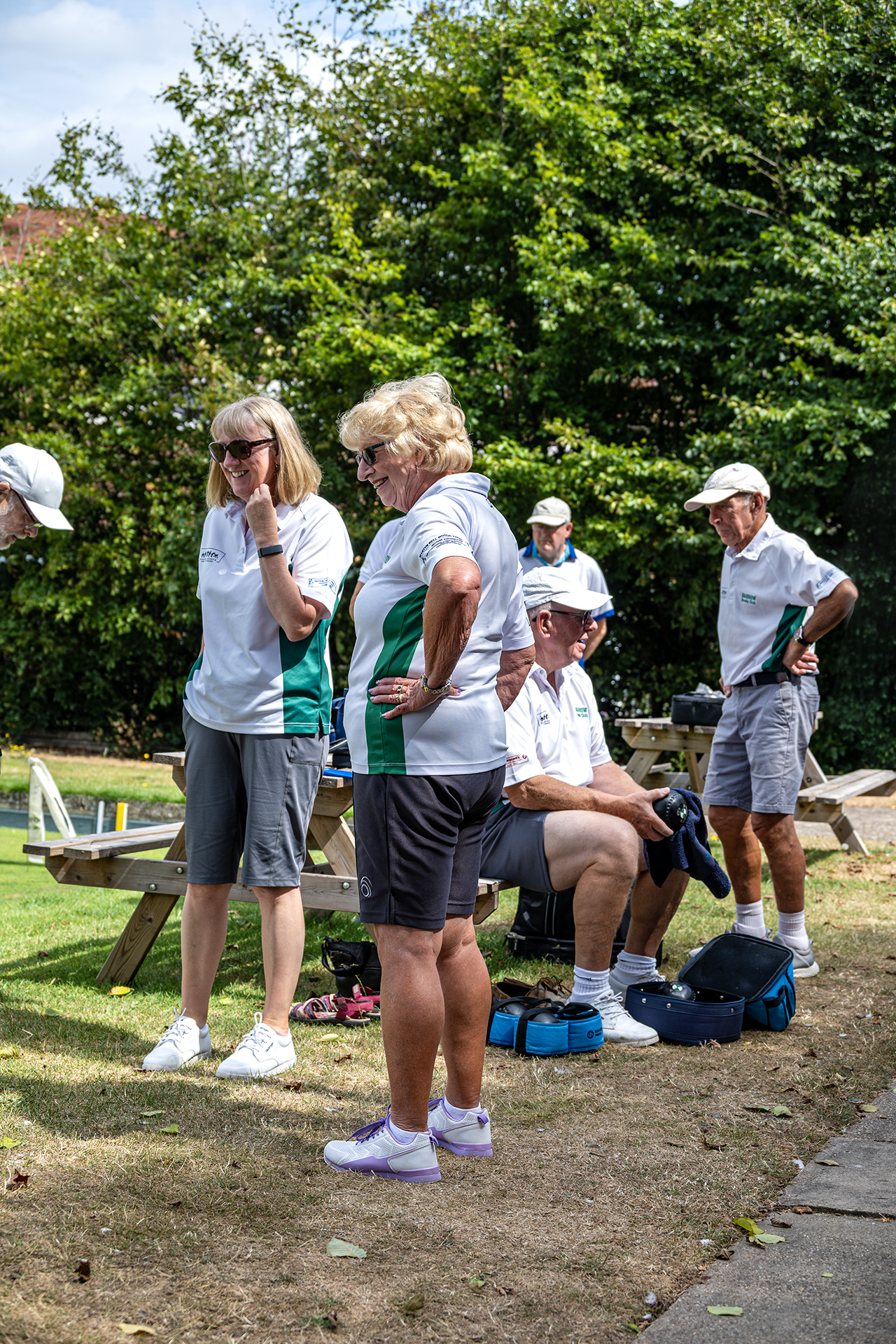
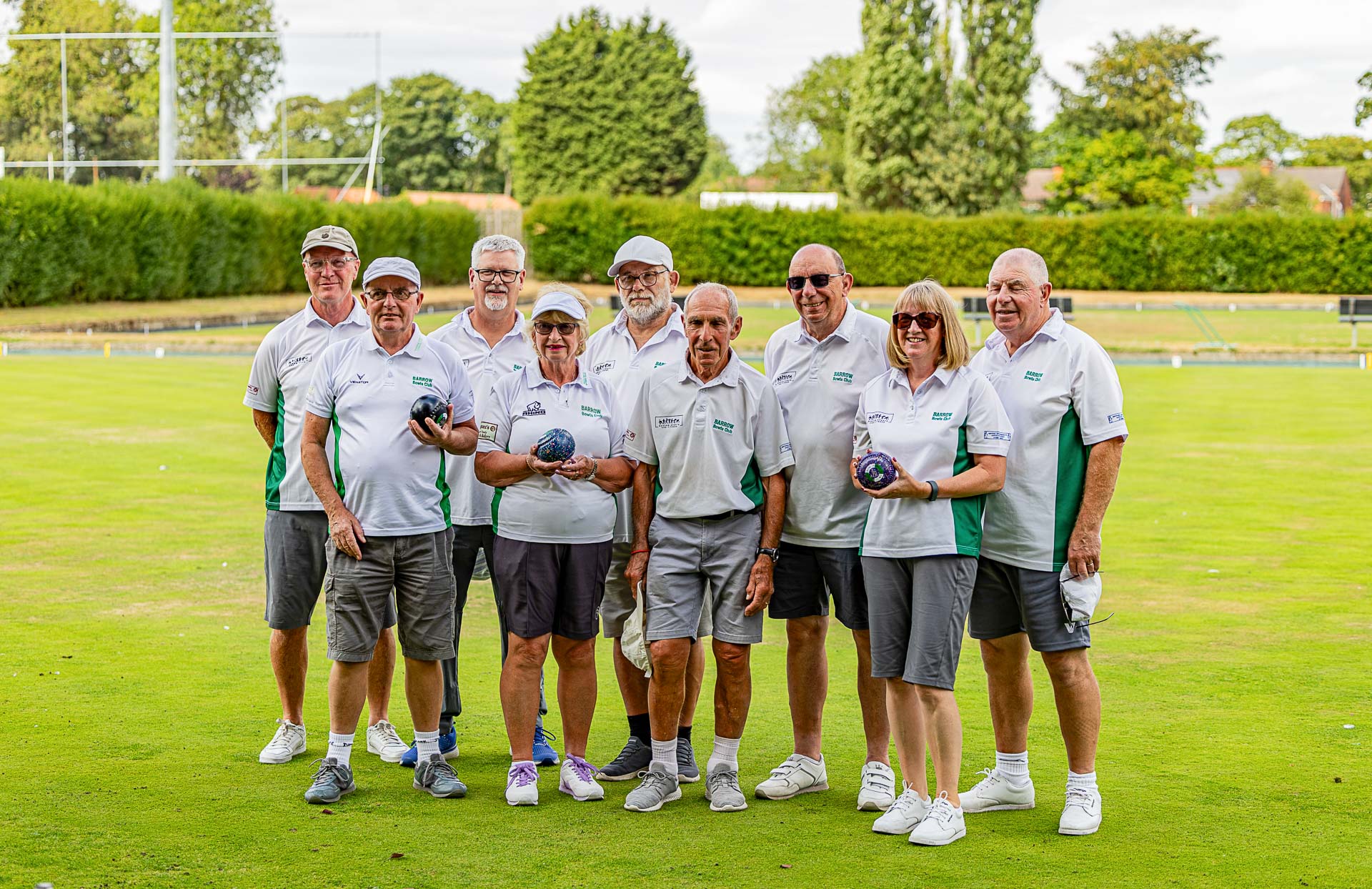
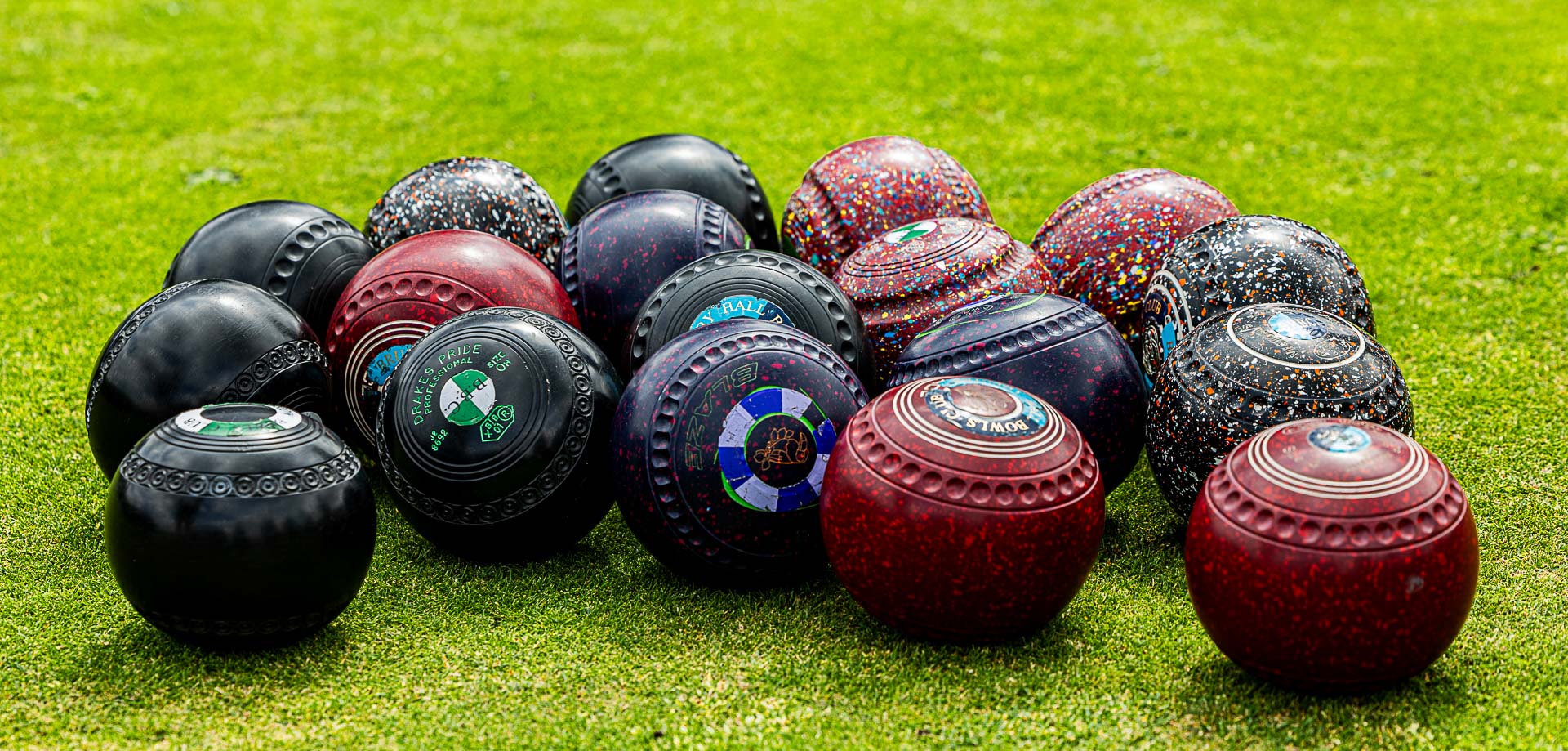
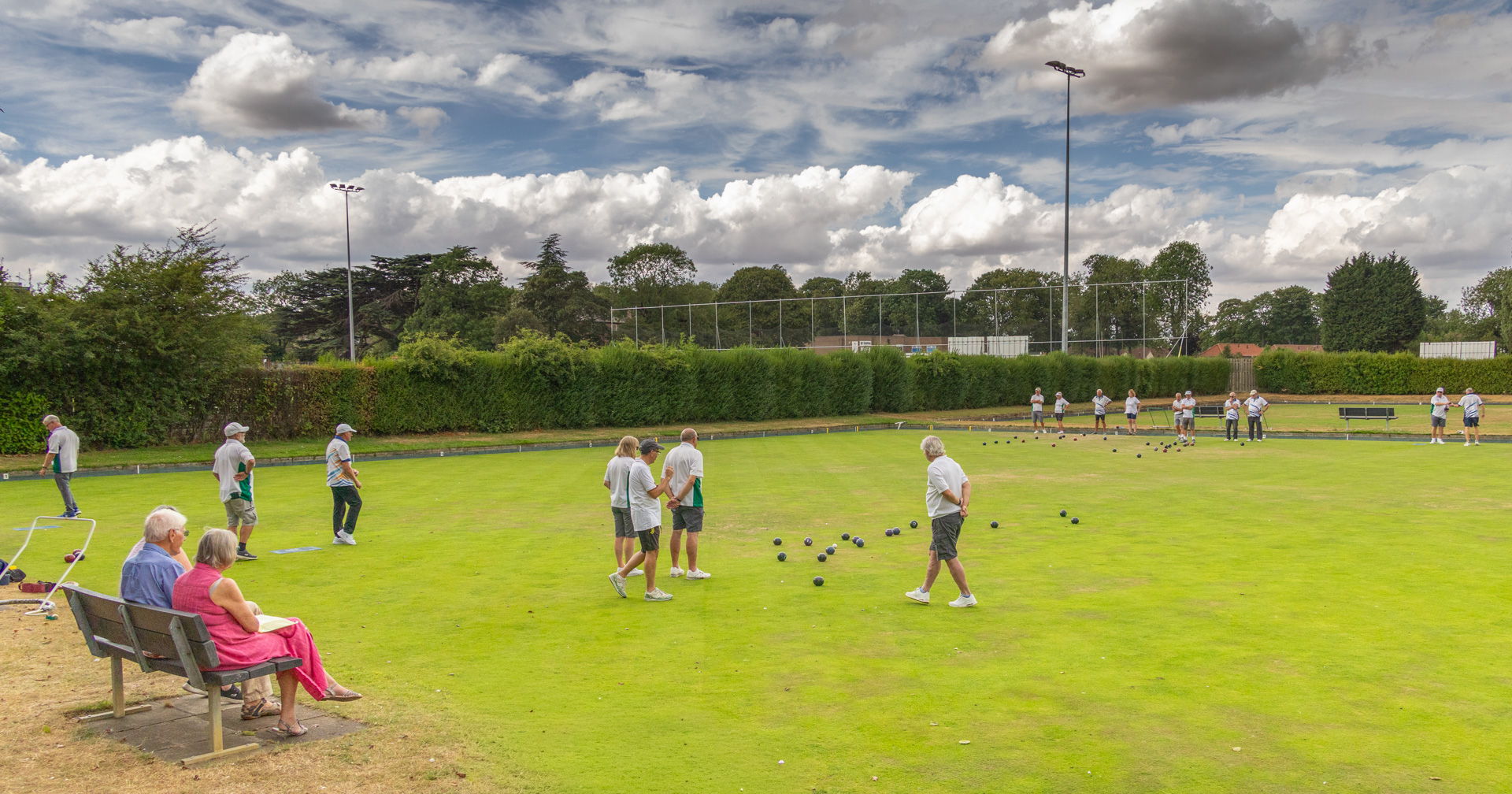
Like gladiators entering an arena, the players assembled before the afternoon’s contest, each carrying the woods with which they would do battle. Today it was Brumby versus Barton, but the atmosphere was one of quiet anticipation rather than confrontation.
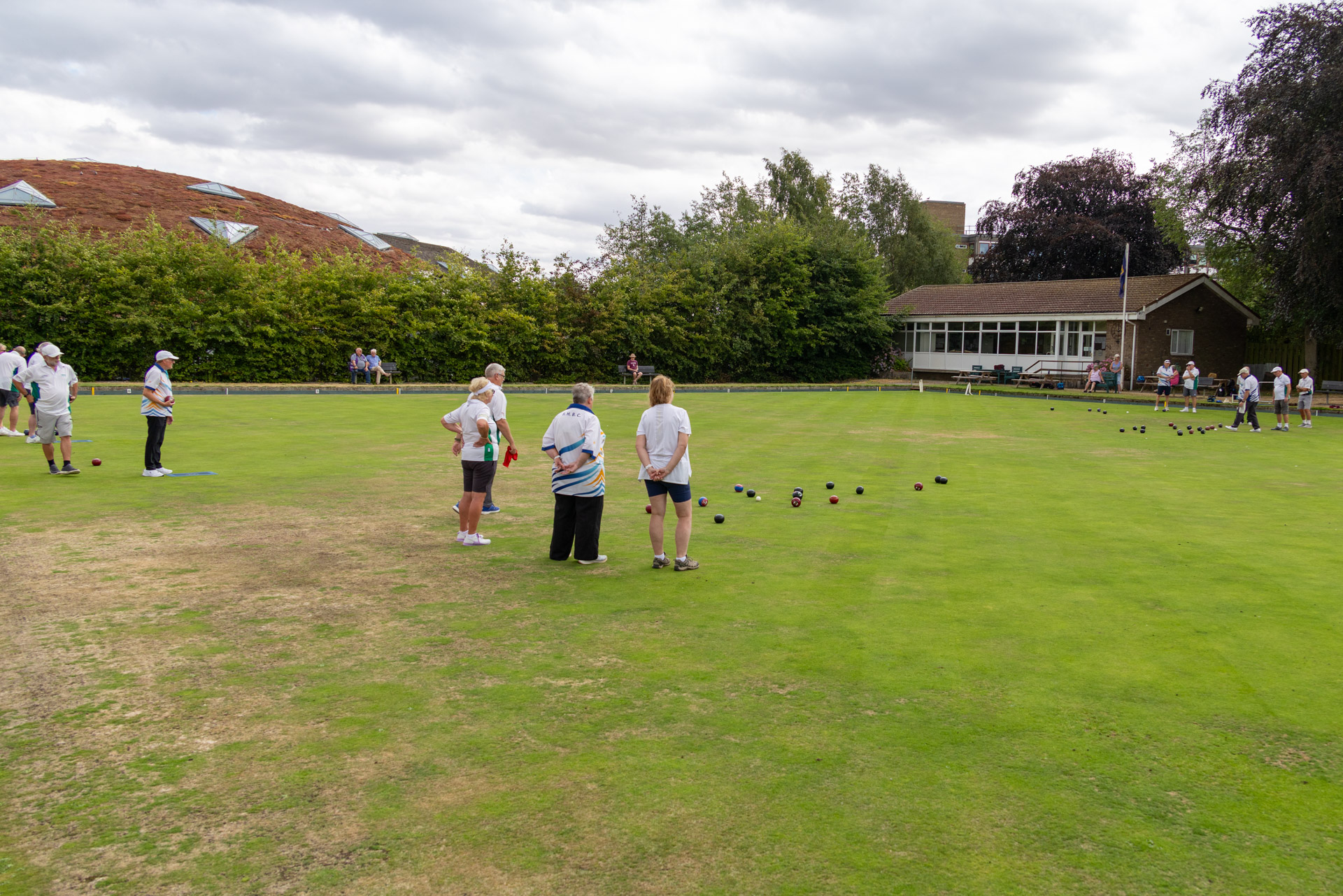
Behind them lay two greens. The nearer one is the home of Brumby Bowling Club; beyond it sits another green belonging to Sheffield Park Bowling Club. Seeing the two clubs side by side reminded me that places, like communities, are often connected by histories that are easy to overlook. In Scunthorpe, it is impossible not to think about steel, and about the industries that shaped both the landscape and the lives of the people who still gather here.
For many of the players, the links between bowls and steel are not simply historical. Brumby Bowling Club, like AppFrod Camera Club, has its roots in the social life of the Appleby-Frodingham steelworks. Long after the furnaces have fallen silent, those shared traditions continue to bring people together.